
Protecting Your Data: How Businesses Can Build Stronger Cloud Defenses
As companies increasingly move to the cloud, ensuring cloud security has become more critical than ever. Remote work, global collaboration, and digital transformation have created vast opportunities—but also new risks. From data breaches to ransomware attacks, the threat landscape continues to evolve. To keep sensitive information protected, organizations must adopt modern and strategic security practices. In this post, we’ll explore five powerful ways to strengthen cloud security and safeguard your data in a remote world.
1. Implement Multi-Factor Authentication (MFA)
One of the most effective ways to enhance cloud security is by using multi-factor authentication. MFA requires users to verify their identity through multiple methods, such as a password and a mobile verification code. This adds an extra layer of protection against unauthorized access—even if a password is compromised.
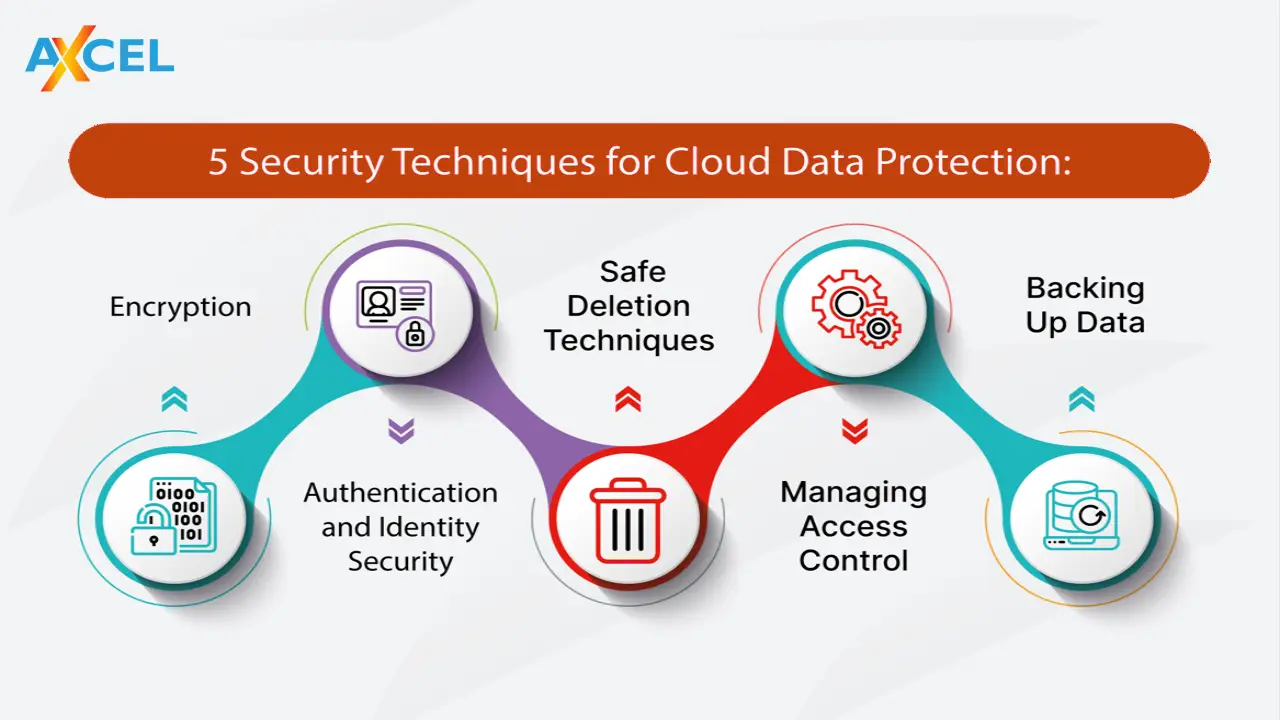
In a remote environment where employees log in from various locations and devices, MFA helps ensure that only verified users can access sensitive systems. Cloud service providers like Google Cloud and Microsoft Azure offer built-in MFA options, making it easy to deploy across the organization.
2. Encrypt Data at Rest and in Transit
Data encryption is the foundation of secure cloud operations. Encrypting files both when they are stored and when they are transmitted ensures that even if data is intercepted, it remains unreadable to hackers. Most cloud providers offer automatic encryption tools—but businesses should go a step further by managing their own encryption keys.
End-to-end encryption is especially important for organizations handling sensitive information such as customer data, financial records, or intellectual property. Maintaining control of encryption keys gives companies greater confidence and compliance with data protection regulations like GDPR and HIPAA.
3. Regularly Monitor and Audit Cloud Activity
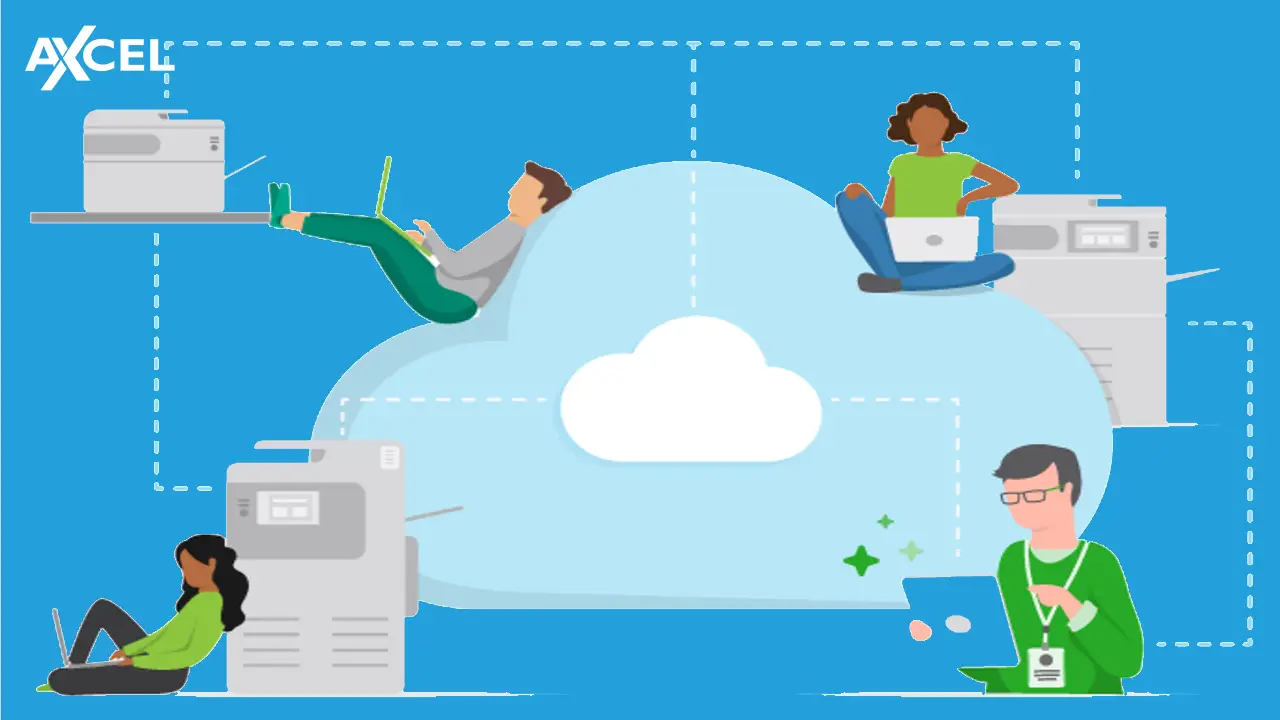
Visibility is essential for detecting potential threats before they escalate. Companies should continuously monitor logins, file transfers, and unusual behaviors within their cloud environments. Automated security monitoring tools can alert IT teams in real time when suspicious activity occurs.
Conducting regular audits not only helps identify vulnerabilities but also ensures compliance with industry standards. Reports generated from audits can guide future improvements, ensuring that the cloud security strategy evolves with emerging risks. According to a recent IBM study, businesses with continuous monitoring reduce breach costs by up to 30%.
4. Train Employees on Cloud Security Best Practices
Human error remains one of the biggest causes of security breaches. Remote employees might accidentally share sensitive information, fall victim to phishing scams, or use weak passwords. Educating staff about cloud security best practices can dramatically reduce these risks.
Training should include recognizing phishing emails, using secure VPNs, avoiding public Wi-Fi for work-related activities, and regularly updating passwords. Encouraging a security-first culture helps everyone take responsibility for protecting company data.
5. Use Advanced Threat Detection and Zero Trust Frameworks
Traditional perimeter-based security models are no longer enough. The Zero Trust model assumes that every connection—inside or outside the network—could be a threat until proven safe. This approach verifies every user and device before granting access to resources.
Combining Zero Trust architecture with AI-driven threat detection tools provides continuous verification and automated responses to potential risks. Modern solutions can identify unusual patterns, block suspicious activity, and even isolate compromised systems instantly, ensuring data remains safe across multiple cloud platforms.
Building a Safer Cloud Environment
Strengthening cloud security is not a one-time project but an ongoing commitment. Businesses must regularly update security policies, patch vulnerabilities, and stay informed about evolving threats. Partnering with professional cybersecurity experts can further enhance resilience and compliance.
If your business is looking to improve its cloud defense strategy, our team at Services offers tailored cloud protection and compliance solutions that help you stay ahead of potential threats.
Final Thoughts
Cloud technology continues to revolutionize how we work, communicate, and store data. However, without proper safeguards, it can also expose organizations to significant risks. By implementing MFA, encrypting data, monitoring activities, training employees, and adopting Zero Trust models, businesses can confidently operate in today’s remote world while keeping their data secure.
Cloud security isn’t just about protecting information—it’s about ensuring trust, reputation, and business continuity. Stay proactive, stay protected, and make cloud security a top priority.