
Transforming Ideas into Reality: The Journey Behind Every Successful Website
The web development process plays a crucial role in creating modern, high-performing websites that deliver results. From gathering initial requirements to deploying and maintaining the final product, each stage requires strategic planning and technical expertise. Whether you are a business owner looking to establish an online presence or a developer aiming to refine your workflow, understanding this process is key to success. Let’s explore the 7 powerful steps that ensure every project goes from concept to launch smoothly.
1. Understanding Client Goals and Requirements
Every great website begins with a deep understanding of the client’s vision. In this phase, the development team gathers detailed information about business goals, audience behavior, and key objectives. This step often includes discovery meetings, questionnaires, and brainstorming sessions that align both the client’s expectations and the team’s technical approach.
By clearly defining the project’s purpose early on, we avoid unnecessary revisions later. The aim is to identify what the website should achieve — whether it’s lead generation, online sales, or brand awareness — ensuring the project stays aligned with measurable success metrics.

2. Research and Strategy Planning
Once the goals are clear, it’s time to dive into research. Our team conducts competitive analysis, explores the target market, and studies industry trends. This stage determines the best tools, platforms, and frameworks for building the website efficiently and effectively.
A detailed project roadmap is then created, including design wireframes, a sitemap, and timelines for development. This strategy ensures every team member understands their responsibilities and deadlines. It also helps the client visualize how the project will progress, fostering transparency throughout the process.
3. Designing the User Experience (UX) and Interface (UI)
At this stage, creativity meets functionality. A well-crafted design can make the difference between a user staying or leaving within seconds. Our design team focuses on UX and UI design to create engaging, user-friendly, and responsive layouts. Colors, typography, icons, and spacing are all carefully chosen to enhance user satisfaction and brand identity.
Before moving to development, the client reviews wireframes and prototypes. Feedback loops during this phase are essential to ensure that the design reflects the brand’s message while maintaining usability across devices.
4. Development and Coding
Once the design is finalized, the real magic begins — turning static designs into interactive web pages. Our developers use the latest technologies such as HTML5, CSS3, JavaScript, and PHP to build dynamic websites. Depending on the project, we may also integrate content management systems like WordPress or eCommerce platforms such as Shopify or WooCommerce.
During this step, backend functionality like databases, security protocols, and APIs are implemented. Each line of code is written for performance, speed, and scalability. The web development process also includes mobile responsiveness to ensure flawless performance on smartphones and tablets.
5. Testing and Quality Assurance
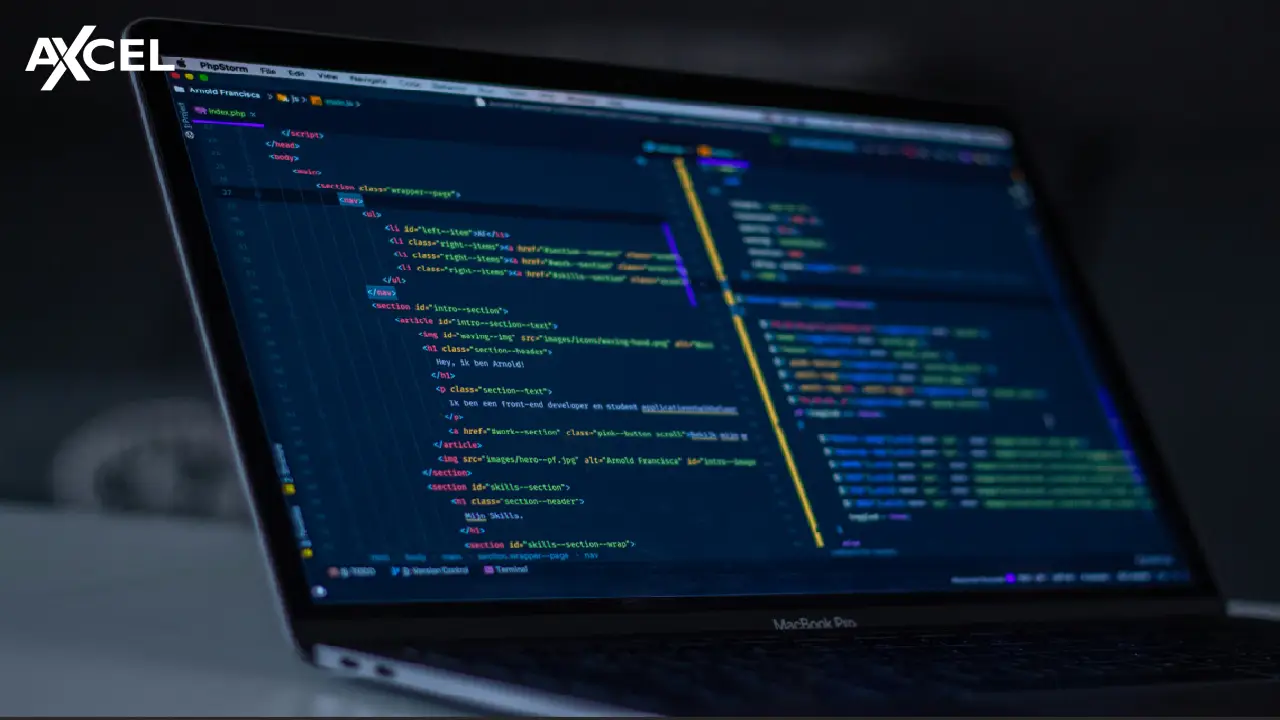
Quality assurance is the backbone of a reliable website. Before going live, we perform multiple rounds of testing. This includes checking page load times, verifying links, reviewing code quality, and testing browser compatibility. Functionality tests ensure that contact forms, login features, and other interactive elements perform smoothly.
Our testing team also focuses on SEO readiness, accessibility compliance, and usability factors. Fixing potential bugs at this stage ensures the final product is stable, secure, and ready for real-world users.
6. Launch and Deployment
After testing and client approval, it’s time for deployment. The website is migrated from the staging environment to the live server. Our team configures the hosting setup, SSL certificates, and analytics tools to ensure smooth performance from day one.
A post-launch checklist is followed to double-check links, meta tags, and speed performance. This phase also involves notifying search engines to index the new website quickly, helping it gain early visibility.
7. Post-Launch Support and Optimization
Many developers stop after launch, but that’s where we continue. Post-launch support ensures long-term success. We provide continuous monitoring, software updates, and security patches. Analytics and user feedback are regularly reviewed to identify opportunities for improvement.
Website optimization, performance upgrades, and SEO enhancements are ongoing efforts that help the site stay competitive. As business goals evolve, so should the website — making post-launch support a vital part of the website development steps.
Why Following a Structured Web Development Process Matters
A clearly defined and proven web development process reduces risks, saves time, and ensures consistent quality. It also allows teams to deliver predictable results, meet deadlines, and exceed client expectations. In today’s fast-changing digital landscape, having a step-by-step process is the foundation of every successful website.
Want to explore how our experts design, develop, and optimize websites that grow your business? Visit our Services for more insights.