How smart outsourcing reshapes your cost strategy
IT Outsourcing ROI is more than just a budgeting tool—it’s a transformation strategy that helps organizations reduce expenses, increase agility, and focus on what truly matters. By leveraging specialized talent and advanced infrastructure through outsourcing, companies save millions annually while accelerating digital growth. Below, we explore five powerful strategies that demonstrate how outsourcing dramatically improves operational efficiency and cuts overall costs.

Outsourcing non-core IT functions such as software maintenance, cloud management, or cybersecurity allows companies to streamline their internal resources. Instead of paying for full-time employees, benefits, and training, you gain access to skilled teams who already have the tools and expertise in place. This transition from fixed to variable costs directly improves cash flow and increases the overall IT Outsourcing ROI.
1. Convert fixed costs into flexible variable expenses
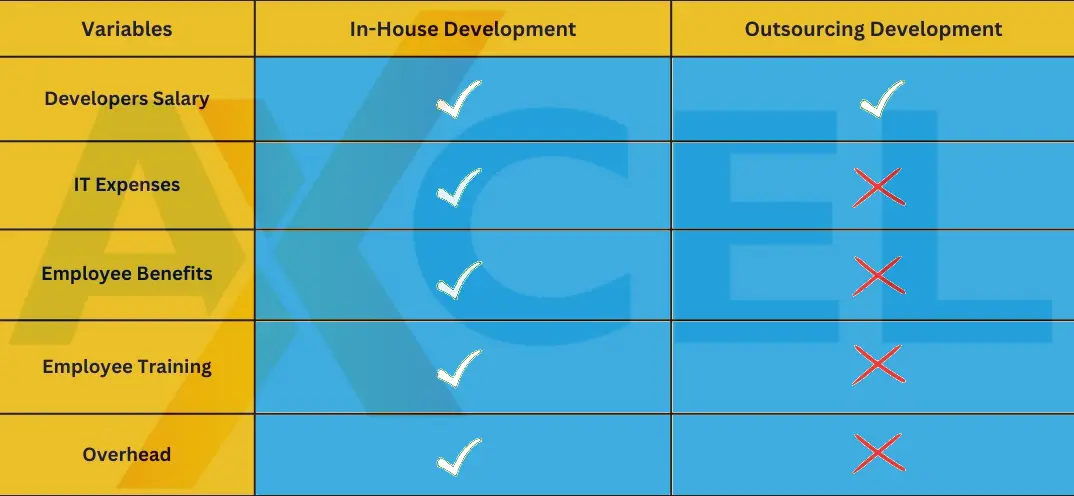
When companies keep all IT operations in-house, they often face high and inflexible overheads—salaries, office space, insurance, and ongoing training. Outsourcing transforms these fixed costs into variable ones, meaning you only pay for what you use. For instance, if your business needs 24/7 support only during product launches or holiday seasons, you can scale your service levels up or down accordingly.
This flexibility makes budgeting simpler and more predictable. According to global outsourcing studies, businesses can save up to 40% on operational costs when they switch to outsourced IT models. These savings free up capital for innovation and growth-oriented projects.
2. Achieve economies of scale through expert providers
Outsourcing companies handle operations for multiple clients, allowing them to invest in top-tier technologies and process optimizations that individual businesses might not afford. As a result, clients benefit from these shared efficiencies at a fraction of the cost.
For example, a managed service provider (MSP) might run advanced monitoring systems, cybersecurity frameworks, or AI-based automation tools across all clients—reducing downtime and human error. This efficiency increases the IT Outsourcing ROI while improving performance and reliability.
3. Minimize opportunity costs and speed up delivery
One of the hidden advantages of outsourcing is the ability to reduce opportunity costs. When your internal teams spend months on maintenance or support, they lose focus on innovation and product development. Outsourcing allows them to reallocate time and energy to higher-value initiatives that drive revenue and growth.
Additionally, outsourcing firms often operate across multiple time zones, providing round-the-clock productivity. Faster development cycles and continuous delivery mean your business brings products to market quicker—turning potential downtime into measurable profit.
4. Leverage flexible sourcing and hybrid models
Modern outsourcing isn’t one-size-fits-all. Businesses can choose between project-based contracts, managed services, or staff augmentation to fit specific goals. Hybrid models are especially popular—they combine in-house control with external expertise for optimal results.
Such flexibility allows you to manage risk better and respond quickly to changes in market demand. For example, if your company needs a short-term development sprint, you can bring in an outsourced team for three months instead of hiring full-time employees. This approach avoids long-term commitments and lowers HR overhead.
5. Measure ROI with clear metrics and continuous improvement
Outsourcing success depends on data-driven decisions. Establishing clear KPIs—like cost per ticket, uptime percentage, or time to market—helps measure whether your investment is producing real returns. The formula for calculating ROI is simple: (Net Benefits − Total Costs) ÷ Total Costs. But the insight it provides is invaluable.
Tracking these metrics ensures that both you and your outsourcing partner are aligned on outcomes. Transparency builds trust, fosters accountability, and sustains savings over the long term.
Key metrics to track
- Percentage reduction in IT operational costs
- Average project turnaround time
- Downtime hours saved per quarter
- Year-over-year ROI improvement
- Revenue impact of faster time-to-market
Practical checklist before you outsource
Before signing a contract, define your scope clearly, set measurable SLAs, and choose partners with proven results in your industry. Start with a small pilot project to evaluate collaboration, communication, and delivery quality.
It’s also wise to review independent research and insights. For a detailed breakdown of current outsourcing trends and ROI models, visit Deloitte’s outsourcing insights.
Long-term impact of IT Outsourcing ROI
Beyond immediate savings, outsourcing has a compounding effect on profitability. Reduced payroll and infrastructure costs mean more funds for R&D, marketing, and innovation. Over time, this reinvestment builds competitive advantage and strengthens brand positioning in the market.
When combined with strong performance monitoring, outsourcing can transform your entire business model—from cost containment to value creation. The results include leaner operations, higher margins, and a more resilient digital foundation.
Conclusion
IT Outsourcing ROI proves that smarter spending can fuel faster growth. By converting fixed costs into flexible models, leveraging expert providers, and tracking measurable KPIs, businesses can cut expenses while maintaining quality. The goal is not just to spend less—but to spend smarter.
To explore practical outsourcing setups tailored for your business, check our internal resource on Services and learn how strategic sourcing can reshape your organization’s future.