
Why Modern Enterprises Are Turning to Blockchain for Security
Blockchain is rapidly transforming how organizations protect digital assets, sensitive records, and operational workflows. In an era where cyber threats evolve daily, businesses require systems that go beyond traditional security models. This is where blockchain technology delivers a decisive advantage. By combining decentralization, cryptography, and transparency, blockchain creates a secure environment that significantly reduces vulnerabilities.
Unlike centralized databases, blockchain distributes data across multiple nodes. As a result, attackers cannot compromise a single point of failure. This fundamental shift makes blockchain one of the most reliable technologies for strengthening business security in modern enterprises.
1. Decentralized Architecture Eliminates Single Points of Failure

One of the most powerful ways blockchain enhances business security is through decentralization. Traditional systems store data in centralized servers, making them attractive targets for cybercriminals. Blockchain distributes data across a network of nodes, ensuring that no single server controls the entire system.
This decentralized structure improves data protection, increases system resilience, and ensures business continuity even during attempted breaches. It also supports secure digital transactions across distributed teams and global operations.
2. Immutable Records Prevent Data Tampering
Blockchain records are immutable, meaning once data is written, it cannot be altered or deleted. Each block is cryptographically linked to the previous one, creating a permanent audit trail. This feature is invaluable for businesses that handle sensitive information, contracts, or compliance records.
Immutable ledgers help organizations prevent internal fraud, ensure regulatory compliance, and maintain accurate transaction histories. This capability directly strengthens enterprise cybersecurity and builds trust with stakeholders.
3. Advanced Cryptography Protects Sensitive Information
Blockchain relies on advanced cryptographic techniques to secure data. Each transaction is encrypted and validated before being added to the ledger. This approach ensures that only authorized users can access or modify information.
By integrating blockchain security mechanisms, businesses can safeguard intellectual property, customer data, and financial records. Encryption also plays a critical role in secure data sharing across departments and external partners.
4. Transparent Auditing Enhances Accountability
Transparency is a core feature of blockchain systems. Every transaction is recorded and visible to authorized participants. This transparency allows organizations to monitor activities in real time and quickly identify irregular behavior.
For industries such as finance, healthcare, and supply chain management, transparent auditing improves compliance and reduces the risk of unauthorized access. According to insights from
IBM’s blockchain security overview
, transparency significantly improves trust and operational integrity.
5. Smart Contracts Automate Secure Processes
Smart contracts are self-executing agreements built on blockchain networks. They automatically enforce rules and conditions without human intervention. This automation minimizes errors, reduces fraud, and ensures consistent execution of business processes.
By using smart contracts, organizations can secure payments, vendor agreements, and service-level commitments. This innovation enhances digital trust while reducing administrative overhead.
6. Strong Identity Management and Access Control
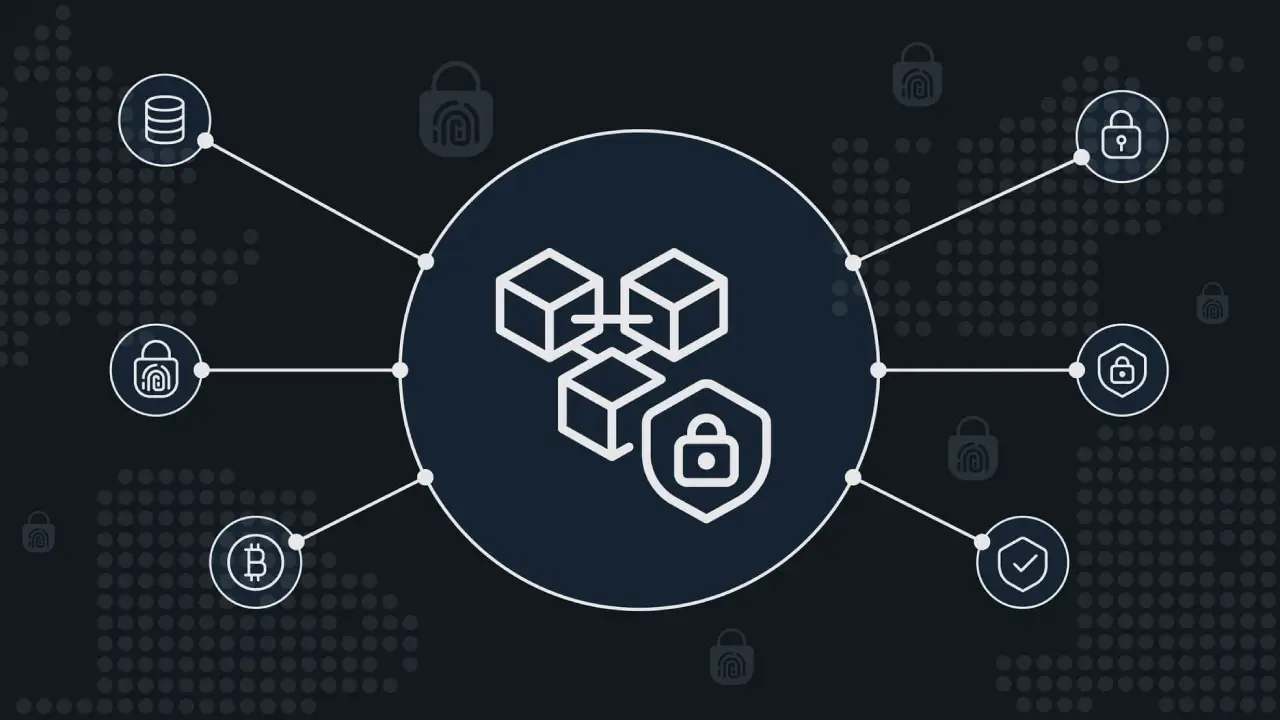
Blockchain enables robust identity management systems by giving users control over their digital identities. Instead of relying on centralized authentication systems, blockchain verifies identities through cryptographic proofs.
This method improves access control, reduces identity theft, and strengthens authentication protocols. Businesses adopting blockchain-based identity solutions experience higher security and improved user trust.
7. Enhanced Fraud Prevention Across Transactions
Fraud prevention is a major concern for modern enterprises. Blockchain addresses this challenge by validating every transaction through consensus mechanisms. Unauthorized or suspicious activities are rejected by the network before they can cause damage.
This proactive approach to fraud prevention is particularly beneficial for eCommerce platforms, financial services, and cross-border operations. Businesses can confidently scale operations while maintaining strong security standards.
Blockchain Security as a Long-Term Business Strategy
Blockchain is more than a trend; it is a strategic investment in long-term business security. By combining decentralization, encryption, and transparency, blockchain provides a comprehensive security framework that adapts to evolving threats.
Organizations already leveraging digital platforms should explore blockchain integration as part of their cybersecurity roadmap. For businesses seeking broader digital transformation insights, visit our Blockchain section to learn how emerging technologies are reshaping enterprise systems.
As cyber risks continue to grow, blockchain stands out as a powerful, future-ready solution. Companies that adopt it early gain a competitive advantage through stronger protection, improved trust, and resilient operations.