
Why Modern Businesses Prefer API-Driven Architecture for Growth
API-Driven Apps Scale Faster because they are built with flexibility, modularity, and seamless connectivity at their core. In today’s digital-first world, businesses need applications that can adapt quickly to changing user demands, integrate with third-party platforms, and expand without complex redevelopment. API-driven development enables organizations to build scalable ecosystems where services communicate effortlessly. As a result, companies reduce time-to-market while improving performance and customer experience.
Modern enterprises are shifting toward API-first strategies to support cloud-native development and rapid innovation. These systems make it easy to integrate tools like CRM, analytics, payment gateways, and automation platforms. If you want to explore how APIs support digital ecosystems, you can read more from Amazon API Gateway. Also, discover how scalable architectures benefit business websites in our internal guide Scalable Web Applications.
1. Faster Development and Deployment Cycles
One of the biggest advantages of API-driven systems is faster development. Developers can build and test individual services independently. This modular approach allows teams to work simultaneously, reducing development time significantly.
Because APIs expose predefined endpoints, developers can reuse existing services instead of building everything from scratch. As a result, API-Driven Apps Scale Faster and launch updates more frequently. This approach also supports continuous integration and deployment pipelines, which improves efficiency and software quality.
2. Seamless Integration Across Platforms
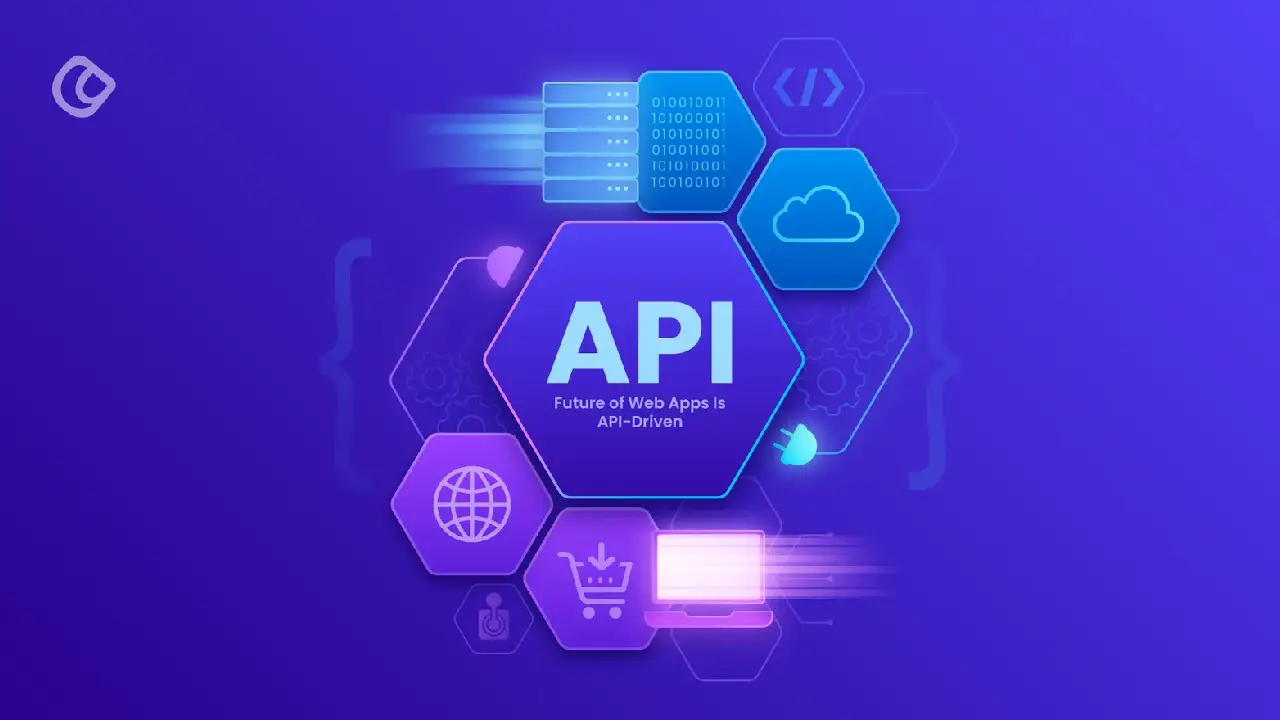
APIs act as bridges between systems. They allow applications to communicate with external tools such as CRMs, ERPs, and marketing platforms. This makes it easy to connect services without modifying the core system.
For example, a mobile app can connect to payment gateways, messaging services, and analytics tools using APIs. This level of interoperability ensures that API-Driven Apps Scale Faster while maintaining stability and flexibility. Businesses can add or replace services without disrupting the entire system.
3. Improved Scalability and Performance
Scalability is a critical requirement for modern applications. API-driven architecture supports microservices, where each service handles a specific function. This allows businesses to scale individual components based on demand.
For instance, if traffic increases on a specific feature, only that service needs to scale. This approach reduces infrastructure costs while maintaining high performance. As a result, API-Driven Apps Scale Faster and handle traffic spikes efficiently without downtime.
4. Better User Experience and Omnichannel Delivery

Today’s users expect seamless experiences across web, mobile, and wearable devices. API-driven applications make this possible by delivering content and functionality through a single backend.
Whether users access an app through a smartphone, desktop, or smart device, APIs ensure consistent performance. This unified approach helps businesses provide personalized experiences across channels. Therefore, companies using API-first systems create better engagement and retention.
5. Future-Proof and Innovation-Ready Systems
Technology evolves rapidly. Businesses must adopt systems that can adapt to new technologies without major rework. API-driven applications provide this flexibility by separating the frontend from backend services.
This architecture allows organizations to adopt new technologies such as AI, machine learning, or IoT integrations easily. As a result, API-Driven Apps Scale Faster and stay competitive in the market.
Secondary Keywords Used in This Post
- API-first development benefits
- scalable application architecture
- microservices and API integration
- modern web application scalability
Conclusion: Why API-Driven Strategy Matters
API-driven architecture is no longer optional. It is essential for businesses that want to grow quickly and adapt to digital transformation. From faster deployment to seamless integration and improved scalability, the benefits are clear.
Companies that invest in API-first strategies gain a competitive advantage. They deliver better products, scale efficiently, and respond to market demands faster. Ultimately, API-Driven Apps Scale Faster because they are designed for flexibility, performance, and future growth.