
How Modern Software Architecture Is Changing Digital Products
API-First Development is transforming how companies build digital products. Instead of designing applications first and connecting integrations later, developers now design APIs at the beginning of the development process. This approach allows different applications, platforms, and services to communicate efficiently.
As businesses expand their digital ecosystems, seamless communication between software systems becomes essential. From mobile apps to cloud platforms, organizations require flexible architectures that support rapid innovation. Therefore, many technology leaders now prioritize API-driven strategies to build scalable and future-ready platforms.
According to industry insights shared by API architecture experts, organizations that adopt API-centered development can accelerate innovation while maintaining system flexibility. Because of these advantages, API-first strategies are becoming the backbone of modern software development.
1. Faster Development and Product Launches
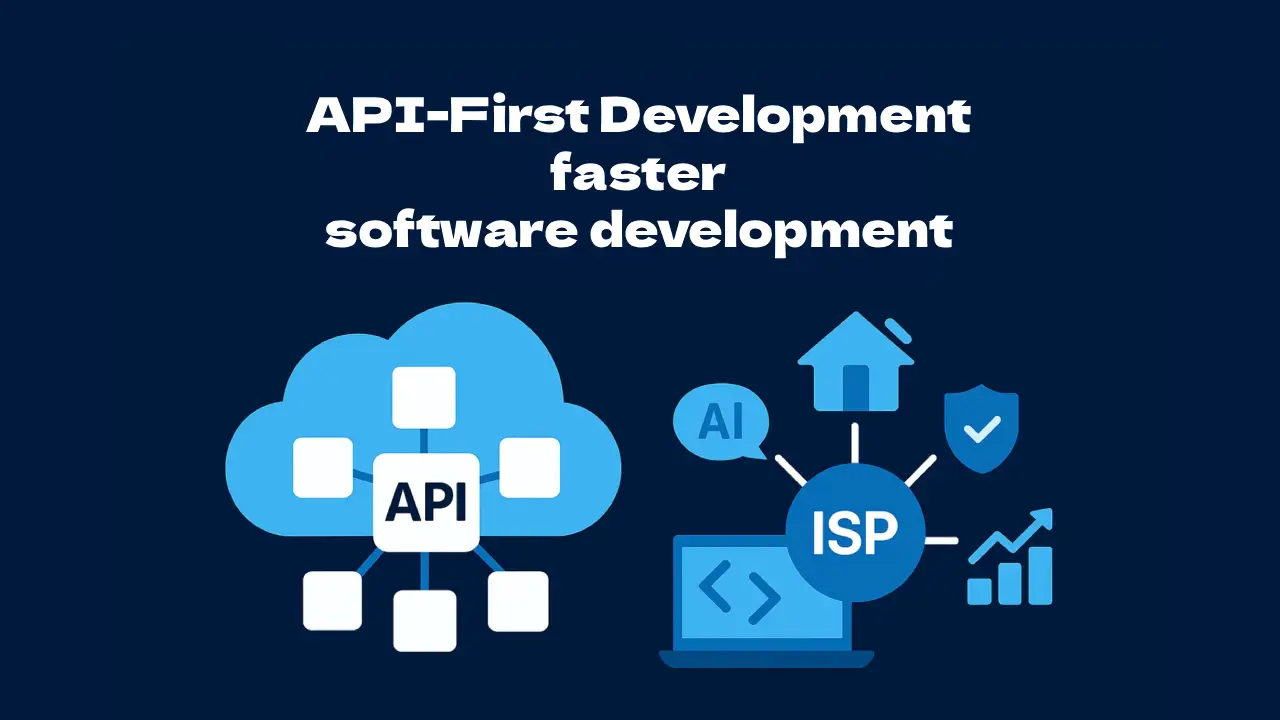
One major advantage of API-First Development is faster product development. When APIs are defined early, different teams can work simultaneously on various components such as mobile apps, backend services, and web interfaces.
This parallel workflow significantly reduces development time. As a result, companies can release new features and digital products more quickly. Faster delivery also helps businesses respond to market demands more effectively.
2. Improved System Scalability
Modern digital products must handle increasing user demand and data traffic. Therefore, scalable architecture is essential for long-term success. API-based systems make scaling easier because services can be expanded independently.
Instead of redesigning an entire system, developers can update specific APIs or services when needed. This flexibility ensures that applications continue to perform well as businesses grow.
3. Better Integration Across Platforms
Digital ecosystems often include multiple platforms such as mobile apps, web applications, and third-party services. Without a strong integration framework, connecting these systems becomes complex and inefficient.
API-driven architecture simplifies integration by providing standardized communication channels. Consequently, businesses can connect tools like CRM systems, payment gateways, and analytics platforms more easily.
4. Enhanced Collaboration Between Teams
Large development projects involve designers, developers, testers, and product managers. In traditional development workflows, teams often depend on each other’s progress, which slows down productivity.
However, with API-First Development, teams can collaborate more efficiently. Once the API structure is defined, frontend and backend developers can work independently while following the same interface specifications.
This structured collaboration improves productivity and reduces project delays.
5. Stronger Support for Microservices Architecture
Many organizations now adopt microservices architecture to build flexible applications. Microservices divide complex systems into smaller, independent services that communicate through APIs.
API-first strategies naturally complement this architecture. Because APIs define how services interact, developers can easily build, modify, or replace microservices without disrupting the entire system.
6. Better Developer Experience
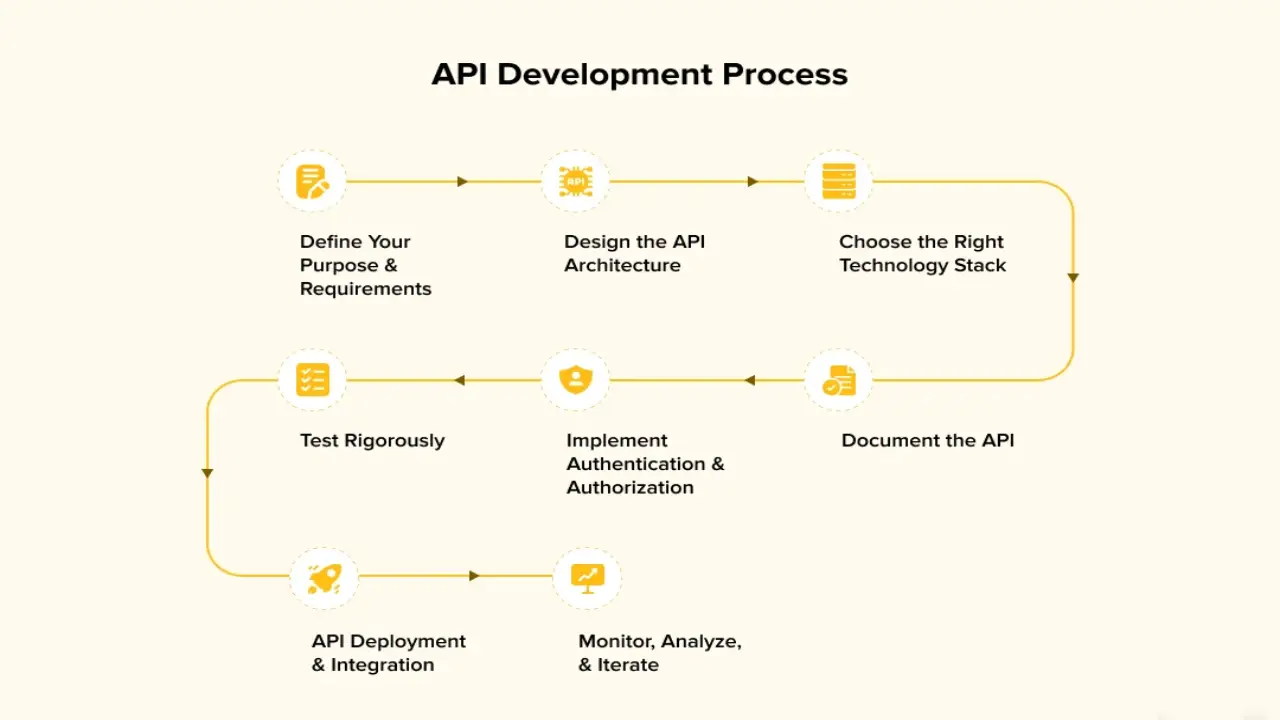
Developers benefit greatly from clear API documentation and standardized interfaces. With well-designed APIs, developers can understand system functionality quickly and integrate features without confusion.
A strong developer experience also improves productivity and reduces errors. When teams have reliable documentation and structured APIs, development becomes more efficient and manageable.
7. Future-Proof Digital Products
Technology evolves rapidly, and businesses must adapt to new devices, platforms, and customer expectations. Systems built with rigid architectures often struggle to keep up with innovation.
However, API-First Development creates flexible ecosystems that adapt easily to change. Because APIs separate services from interfaces, organizations can introduce new technologies without rebuilding their entire infrastructure.
For example, businesses can integrate emerging technologies such as artificial intelligence, mobile applications, or IoT devices through APIs. This adaptability ensures long-term sustainability for digital products.
The Growing Importance of API-Driven Strategies
Businesses across industries now recognize the importance of API strategies. Companies that adopt API-centered development gain competitive advantages through faster innovation, better integration, and scalable systems.
Moreover, APIs support modern development practices such as cloud computing, DevOps workflows, and distributed applications. These technologies are essential for building resilient and flexible digital products.
If you want to explore more insights about modern software development and technology trends, visit our technology resources blog. Learning from industry best practices can help organizations implement future-ready development strategies.
Conclusion: Why API Strategies Define the Future
The digital world demands flexible, scalable, and connected systems. Traditional development approaches often struggle to meet these requirements. In contrast, API-driven architectures provide the structure needed for modern innovation.
By adopting API-First Development, organizations can accelerate product delivery, improve system scalability, and simplify integration across platforms. These benefits make API-first strategies a key driver of future digital transformation.
As businesses continue building complex digital ecosystems, the role of APIs will only grow stronger. Companies that embrace this development approach today will be better prepared for tomorrow’s technological challenges.