
How Modern Containerization Transforms Software Deployment
Containerization Improves Deployment by enabling teams to package applications with all dependencies into portable, lightweight units. This approach removes environment inconsistencies, accelerates release cycles, and ensures predictable behavior across development, testing, and production environments.
As organizations increasingly adopt cloud-native architectures, container-based deployment has become a foundational strategy. Technologies such as Docker and Kubernetes empower DevOps teams to deploy applications faster while maintaining reliability and scalability.
Why Containerization Improves Deployment Speed in Modern Systems
One of the most impactful benefits of container technology is speed. Traditional virtual machines require full operating systems, while containers share the host OS, making them significantly lighter and faster to start.
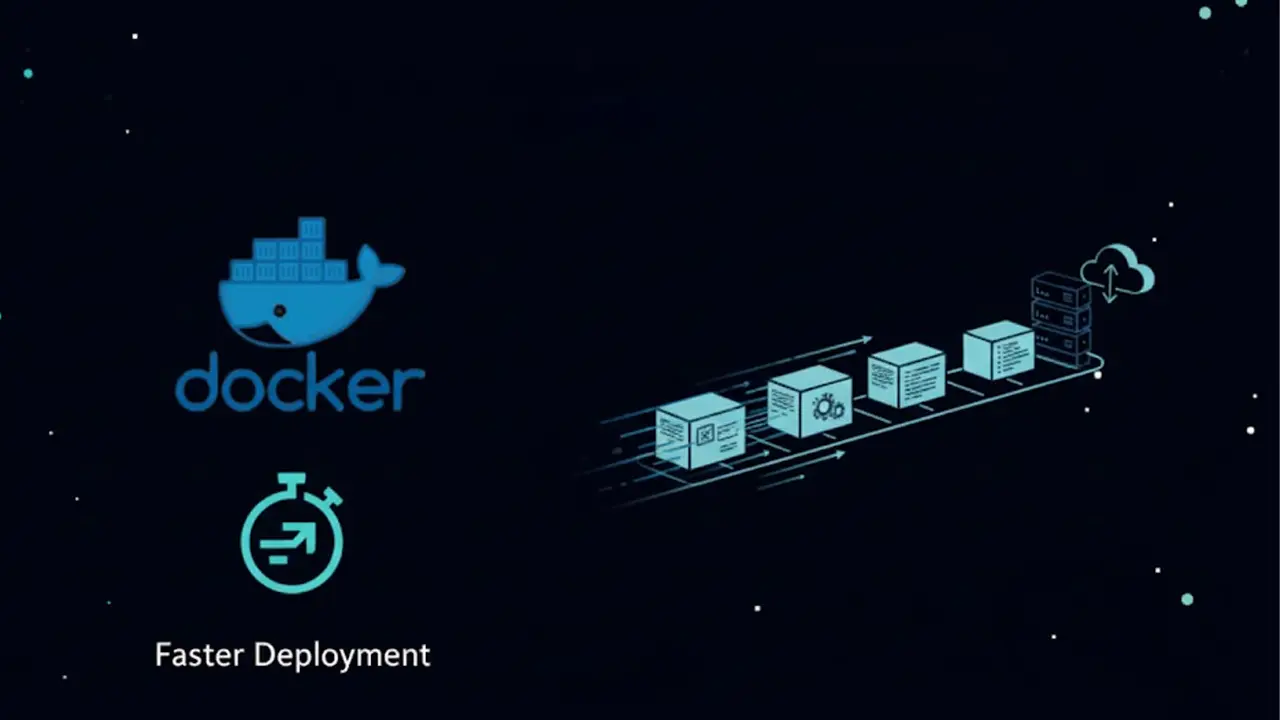
This lightweight nature allows teams to deploy applications in seconds instead of minutes. Faster startup times lead to rapid scaling, quicker rollbacks, and more efficient CI/CD pipelines. As a result, development teams can push updates without disrupting users.
According to industry research on container platforms, organizations using containers experience reduced deployment failures and improved system stability.
Consistent Environments Across Development and Production
Environment mismatch is a common cause of deployment failures. Containerized application delivery eliminates this issue by ensuring that applications run the same way everywhere.
Eliminating the “Works on My Machine” Problem
When developers package applications with all required libraries and dependencies, inconsistencies between development, staging, and production environments disappear. This consistency improves collaboration and reduces debugging time.
Teams managing multiple projects can also standardize workflows using container orchestration tools, significantly reducing operational complexity.
How Kubernetes Enhances Container-Based Deployment
While Docker enables container creation, Kubernetes deployment automation handles scaling, load balancing, and self-healing. Kubernetes ensures applications remain available even when components fail.
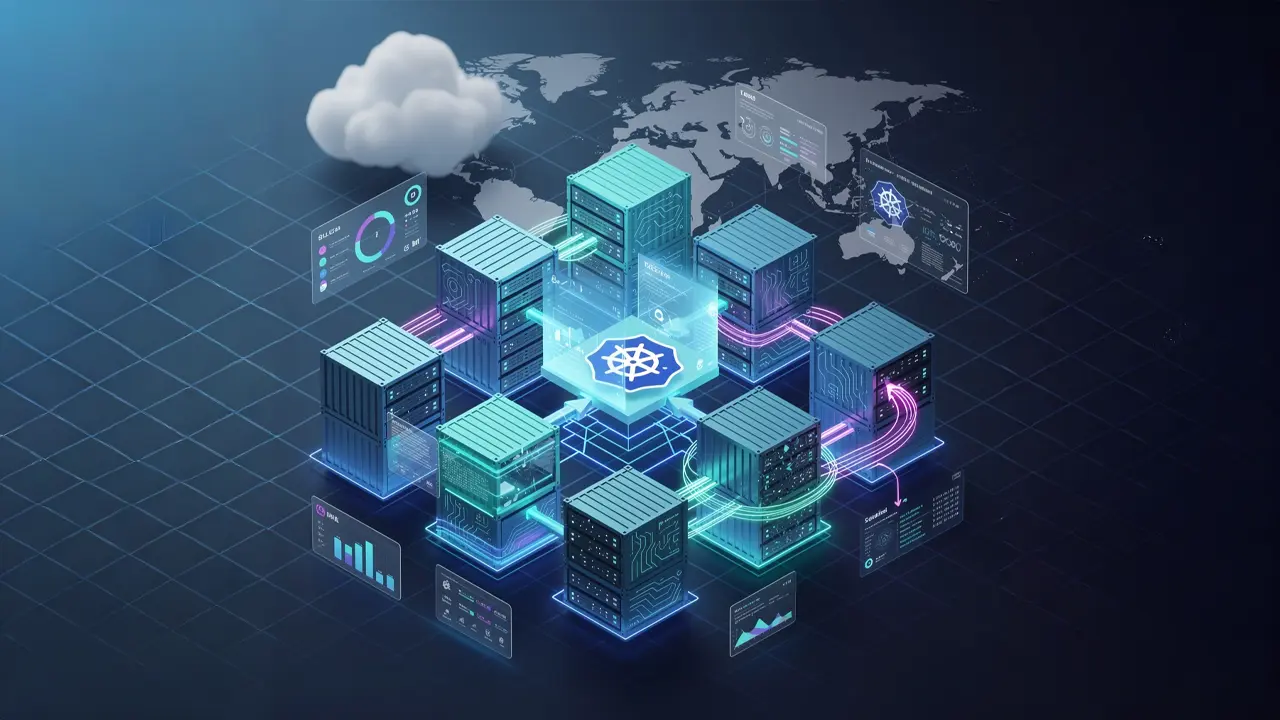
Kubernetes automatically distributes workloads across clusters and replaces failed containers without manual intervention. This automation improves uptime and reduces the risk of downtime during deployments.
For businesses running complex systems, container orchestration benefits include efficient resource usage and predictable performance under heavy traffic.
Improved Scalability and Resource Optimization
Scalability is essential for modern applications. Containerization Improves Deployment by allowing services to scale independently rather than scaling entire systems.
Efficient Use of Infrastructure Resources
Containers consume fewer resources than virtual machines, enabling higher density on the same infrastructure. This efficiency reduces hosting costs while improving application responsiveness.
Auto-scaling features ensure applications respond dynamically to traffic spikes, maintaining performance during peak usage periods.
Enhanced Security and Faster Recovery
Security is another critical advantage. Container-based deployment isolates applications, reducing the attack surface and limiting the impact of vulnerabilities.
If a container fails, orchestration platforms can instantly replace it. This rapid recovery capability ensures business continuity and minimizes service disruption.
CI/CD Pipeline Acceleration with Containers
Continuous integration and continuous delivery pipelines benefit significantly from container technology. Containers allow automated testing, versioning, and deployment with minimal manual effort.
Teams using containerized workflows can deploy multiple times per day with confidence, accelerating innovation and time-to-market.
To explore more DevOps strategies, visit our internal guide on services.
Conclusion: Why Containerization Improves Deployment for the Future
Containerization Improves Deployment by delivering speed, consistency, scalability, and resilience. With tools like Docker and Kubernetes, organizations can modernize their software delivery processes and remain competitive in a rapidly evolving digital landscape.
As businesses continue embracing cloud-native development, containerization will remain a cornerstone of efficient, secure, and high-performance deployment strategies.