
Understanding the Future Landscape of Cybersecurity
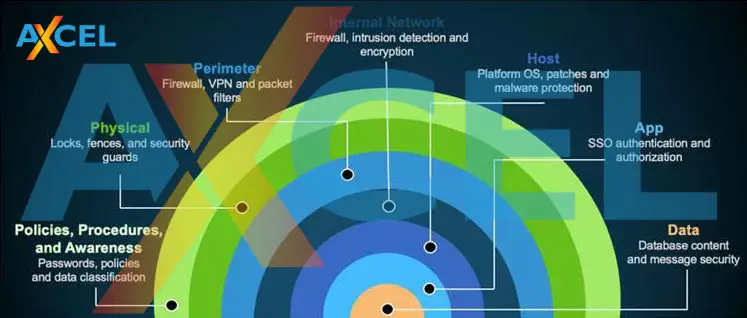
As the digital world continues to grow, so do the risks associated with it. Businesses and individuals are facing increasingly sophisticated cyber threats that demand smarter defense strategies. The year 2026 will mark a turning point where cybersecurity in 2026 becomes not just an IT concern but a business survival necessity. From AI-driven attacks to cloud vulnerabilities, understanding what lies ahead can help organizations prepare better.
AI and Machine Learning: The Double-Edged Sword
Artificial Intelligence (AI) and Machine Learning (ML) are transforming how businesses detect and respond to cyber threats. However, these technologies also empower cybercriminals to launch more targeted and adaptive attacks. AI-based phishing and malware can bypass traditional security filters with alarming accuracy.
To counter this, companies are investing in AI-driven defense systems capable of identifying unusual patterns and preventing potential breaches. By using predictive analytics, organizations can anticipate attacks before they occur—an approach essential for the next generation of digital protection.
Ransomware Evolution and Data Resilience
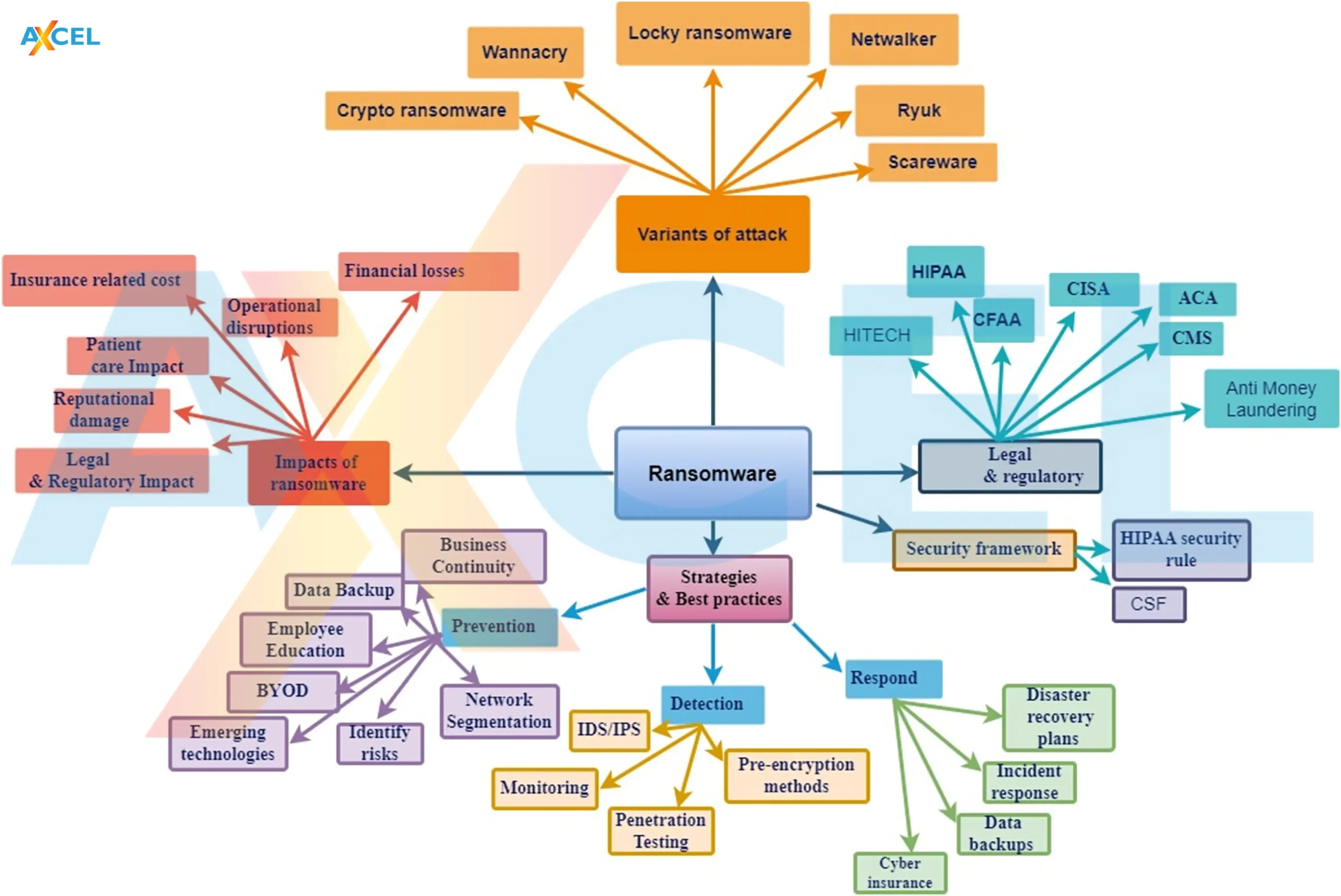
Ransomware will continue to evolve in 2026, targeting both large enterprises and small businesses. Attackers are now adopting “double extortion” tactics—encrypting data and threatening to leak it if payments aren’t made. This has made backup management and data resilience more critical than ever.
Companies are moving toward immutable storage solutions that ensure backups cannot be altered, even by insiders. Investing in advanced encryption and automated recovery systems is no longer optional—it’s vital for survival.
Cloud Security: A Growing Priority
With remote work and cloud computing expanding rapidly, cloud environments have become prime targets for cyberattacks. Misconfigurations, unauthorized access, and weak APIs remain major concerns. Strengthening cybersecurity in 2026 means adopting zero-trust frameworks and continuous monitoring of cloud platforms.
According to a report by CISA, over 80% of data breaches in 2025 originated from cloud vulnerabilities. This underscores the importance of proactive cloud governance, multi-factor authentication, and encrypted data management.
Human Error: The Weakest Link
Despite technological advancements, human error remains one of the top causes of security breaches. Phishing emails, weak passwords, and lack of awareness create easy entry points for attackers. Organizations must focus on continuous employee education and implement security-first cultures.
Interactive training modules, simulated phishing tests, and clear communication policies are becoming part of standard cybersecurity strategies. In 2026, companies that prioritize human-centered security will gain a stronger defense advantage.
Next-Gen Protection Technologies
Emerging technologies like blockchain, biometric authentication, and quantum encryption are reshaping the future of cybersecurity in 2026. Blockchain enhances transaction transparency, while biometrics reduce dependency on passwords. Quantum encryption, though in its early stages, promises unbreakable data protection.
Businesses are encouraged to explore hybrid security frameworks that combine these technologies for multi-layered defense. The integration of AI, automation, and predictive modeling will make systems not just reactive but proactive.
Preparing Your Business for the 2026 Threat Landscape
Staying ahead in cybersecurity requires a strategic approach—continuous monitoring, timely updates, and collaboration with trusted security partners. Businesses must adopt an adaptive mindset, understanding that security is an ongoing process rather than a one-time setup.
To explore professional cybersecurity solutions designed to safeguard digital infrastructure, visit our Services page. It’s essential to stay informed and ready as new threats emerge and technologies evolve.
Conclusion: The Path Forward
In 2026, cybersecurity will be about agility, intelligence, and resilience. Organizations that invest in innovation, employee training, and proactive defense systems will not only survive but thrive in a digital environment full of challenges. The key to success lies in continuous adaptation and a commitment to safeguarding every layer of the digital ecosystem.