Boosting System Performance with IT Monitoring Tools
IT Monitoring Tools are essential for maintaining high system uptime and ensuring business continuity. These tools help organizations detect potential issues early, optimize system performance, and prevent costly downtime. In today’s fast-paced digital world, even a few minutes of system downtime can result in significant financial losses and operational disruptions.
1. Real-Time System Monitoring
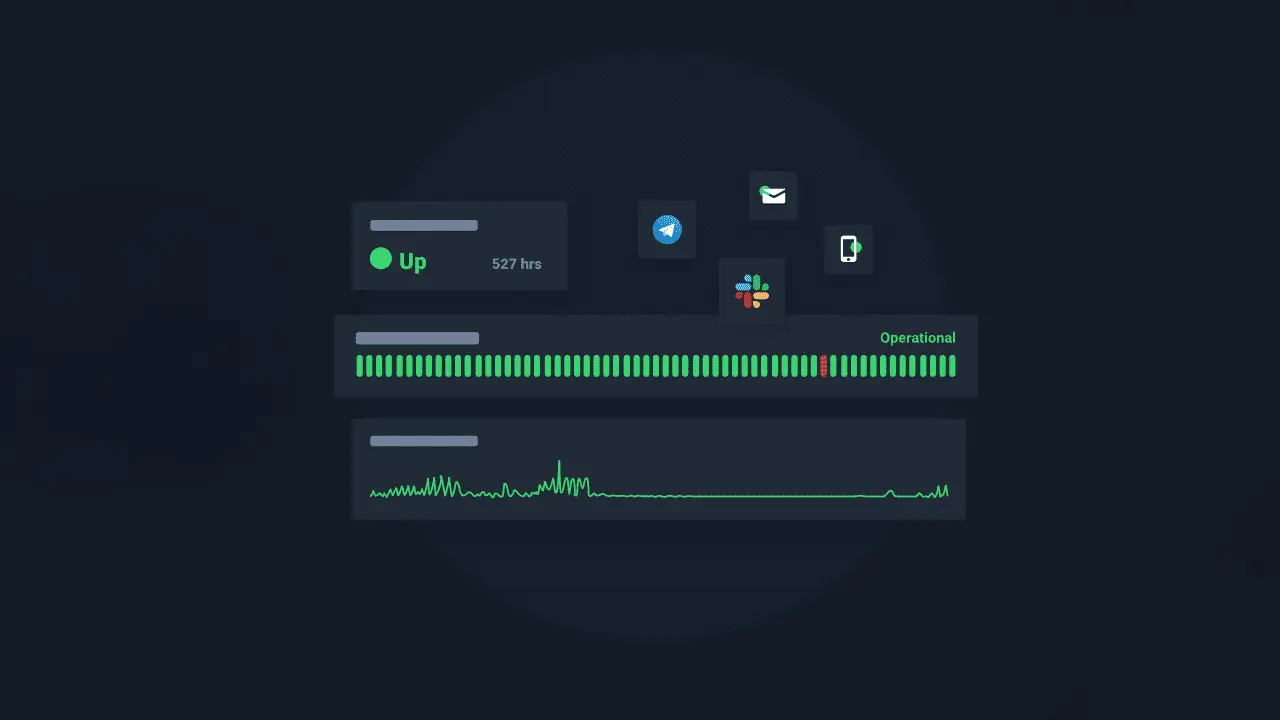
Information Technolog monitoring tools provide real-time system monitoring to track server health, application performance, and network activity. This allows IT teams to detect anomalies before they escalate into major problems. By continuously monitoring key metrics, organizations can ensure smooth operation of critical systems and services.
2. Proactive Issue Detection
One of the primary benefits of Information Technology monitoring tools is proactive issue detection. Instead of reacting to system failures, IT teams can identify potential bottlenecks or failures early. This proactive approach reduces downtime and helps maintain consistent system performance. Tools often use alerts, dashboards, and notifications to keep teams informed.
3. Resource Optimization
IT monitoring tools also aid in resource optimization. By analyzing system utilization patterns, organizations can optimize CPU, memory, and storage resources. Efficient resource allocation not only improves performance but also reduces operational costs. Cloud-based monitoring solutions further enhance scalability and flexibility.
4. Automated Reporting and Analytics
Automated reporting features provide insights into system health and performance trends. Information Technology monitoring tools generate detailed reports, enabling decision-makers to identify recurring issues and implement long-term solutions. Analytics dashboards can visualize critical metrics, helping teams understand patterns and predict potential failures.
5. Enhanced Security and Compliance
Many Information Technology monitoring tools include security monitoring modules that detect unauthorized access, malware, and vulnerabilities. By monitoring security events, businesses can comply with industry regulations and avoid breaches. Integrating monitoring tools with cybersecurity protocols ensures comprehensive protection for sensitive data.
6. Faster Incident Response
When issues arise, IT monitoring tools speed up incident response. Automated alerts, detailed logs, and root-cause analysis help IT teams quickly identify and resolve problems. Faster response times reduce downtime and enhance user satisfaction.
7. Improved Business Continuity
Ultimately, Information Technology monitoring tools play a crucial role in business continuity. By preventing downtime, optimizing resources, and ensuring system reliability, these tools help organizations maintain smooth operations. Investing in comprehensive IT monitoring solutions is a strategic decision for any business aiming for resilience.
Conclusion
Information Technology monitoring tools are indispensable for organizations seeking to maximize system uptime, enhance performance, and reduce operational risks. By implementing smart monitoring strategies, businesses can proactively address issues, optimize resources, and maintain continuous service availability.
Learn more about advanced IT solutions from TechRadar or explore other IT strategies on our blog for deeper insights.