Why Strategic IT Planning Is No Longer Optional
IT Roadmap planning has become a critical requirement for modern businesses facing rapid digital change. Organizations that lack clear IT direction often struggle with inefficiencies, rising costs, and misaligned technology investments. A structured roadmap creates clarity, improves coordination, and ensures technology supports long-term business objectives.
As competition increases and technology evolves faster than ever, companies must align IT initiatives with measurable business outcomes. An IT roadmap acts as a strategic blueprint that connects current capabilities with future goals while reducing operational uncertainty.
What Is an IT Roadmap and Why It Matters
An Information Technology roadmap is a visual and strategic planning document that outlines technology initiatives, timelines, dependencies, and outcomes. It supports digital transformation strategy by helping decision-makers prioritize investments and allocate resources effectively.
Unlike ad-hoc planning, a roadmap delivers structure, accountability, and transparency across teams. It also helps leadership understand how technology decisions directly influence revenue, scalability, and risk management.
7 Strong Reasons Your Business Needs an IT Roadmap
1. Aligns Technology With Business Goals
An Information Technology roadmap ensures that every technology initiative supports a specific business objective. This alignment prevents wasted spending and improves ROI by focusing efforts on high-impact projects.
Businesses using a business IT strategy experience better coordination between departments, faster execution, and stronger performance tracking.
2. Improves Budget Planning and Cost Control
Without a roadmap, IT spending often becomes reactive. A roadmap provides visibility into future investments, helping finance teams forecast costs accurately and avoid unexpected expenses.
This proactive approach allows organizations to phase upgrades, negotiate vendor contracts, and optimize infrastructure investments.
3. Reduces Technology and Security Risks
Outdated systems introduce operational and security vulnerabilities. An IT roadmap identifies risks early and schedules upgrades before problems escalate.
According to Gartner, organizations with structured IT planning experience significantly fewer disruptions and security incidents.
4. Supports Scalable Business Growth

As companies grow, technology complexity increases. A roadmap ensures systems can scale without performance issues or integration failures.
This structured planning supports enterprise IT planning by anticipating growth-related challenges before they impact operations.
5. Enhances Team Productivity and Collaboration
Clear priorities reduce confusion across IT and business teams. When everyone understands timelines and responsibilities, collaboration improves and delays decrease.
A roadmap also improves communication between technical and non-technical stakeholders, creating shared ownership of outcomes.
6. Enables Faster and Smarter Decision-Making
With a roadmap in place, leaders can evaluate opportunities quickly and confidently. Decisions are based on long-term impact rather than short-term urgency.
This clarity helps organizations respond to market changes while maintaining strategic focus.
7. Strengthens Competitive Advantage
Companies with a defined IT roadmap innovate faster and adapt more effectively. They adopt new technologies strategically rather than reactively.
This advantage allows businesses to outperform competitors through efficiency, agility, and better customer experiences.
Key Elements of an Effective IT Roadmap
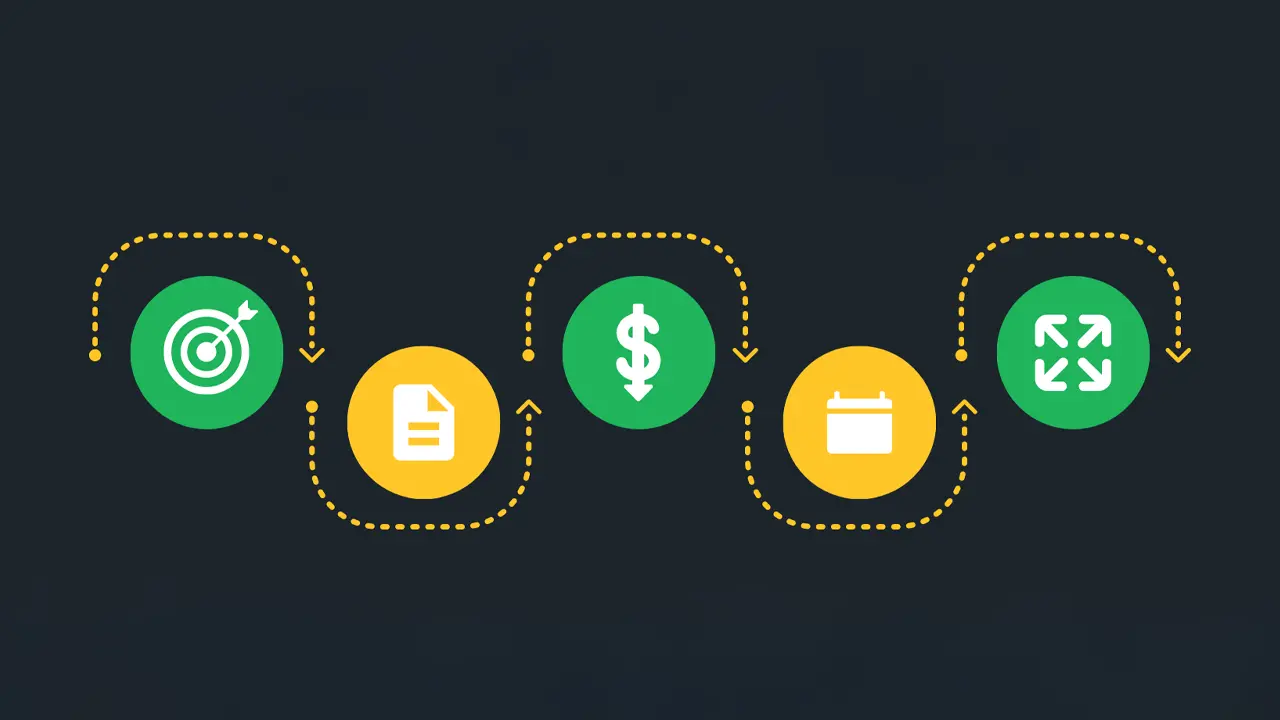
A successful IT roadmap includes clear objectives, timelines, ownership, and performance metrics. It should also account for IT infrastructure planning and future technology trends.
Regular updates ensure the roadmap remains relevant as business priorities evolve. Flexibility is essential to accommodate innovation and external changes.
How to Start Building Your IT Roadmap
Begin by assessing current systems, identifying gaps, and defining long-term business goals. Engage stakeholders early to ensure alignment and commitment.
For professional guidance, explore our IT strategy services to create a roadmap tailored to your organization’s needs.
Final Thoughts
An IT roadmap is more than a planning document. It is a strategic asset that drives efficiency, reduces risk, and supports sustainable growth.
Businesses that invest in structured IT planning gain clarity, confidence, and competitive strength. In a technology-driven world, an IT roadmap is not optional—it is essential.