
The Rise of Modular Software in Modern Enterprises
In 2026, microservices are changing how businesses operate. By dividing applications into smaller, independent modules, companies gain flexibility, improve performance, and drive business success. This modular approach allows enterprises to adapt quickly to market changes while maintaining reliable operations.
What Are Microservices?
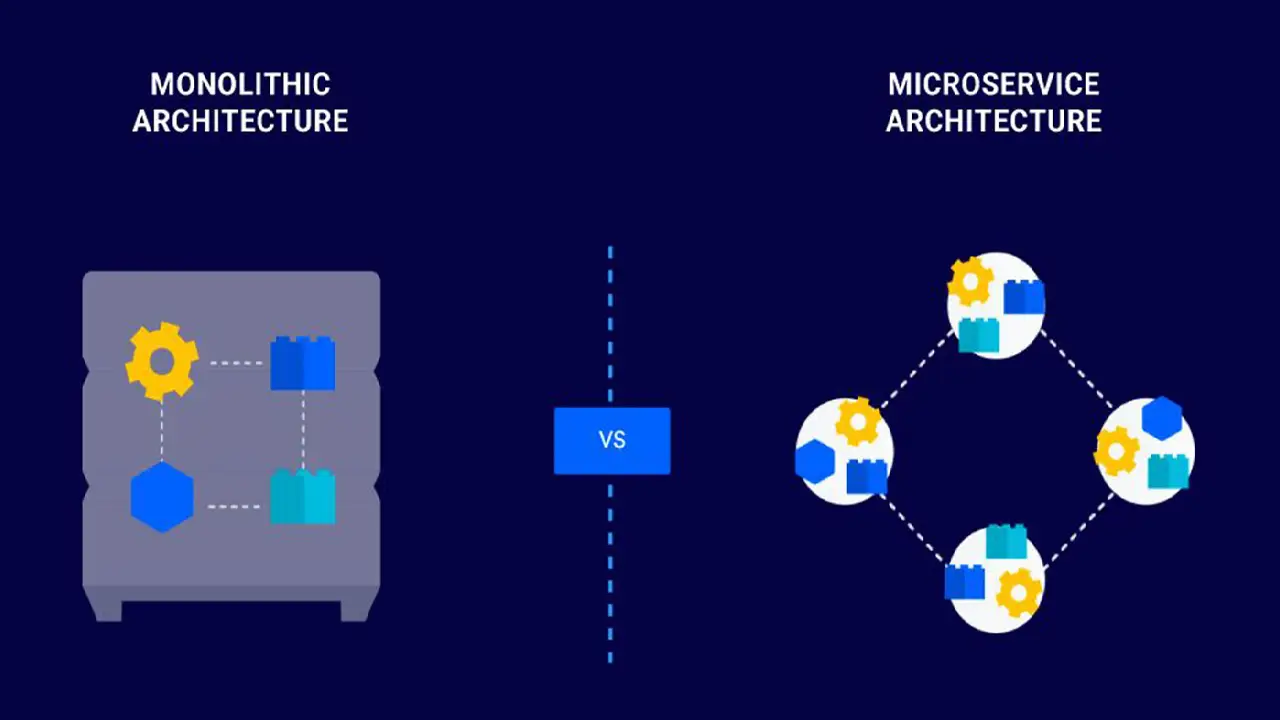
Microservices are a type of service-oriented architecture where applications are split into distinct, independent services. Each component focuses on a specific business function, allowing development teams to deploy, test, and scale services separately. This approach provides more agility than traditional monolithic systems.
Key Advantages for Businesses
1. Enhanced Flexibility
By using independent services, organizations can update specific components without affecting the entire application. This flexibility ensures faster feature releases and quicker adaptation to customer needs.
2. Scalable Systems
Modular software allows companies to scale individual components based on demand, improving cloud scalability and optimizing resource usage during high-traffic periods.
3. Reliable Operations
Breaking applications into smaller services reduces the risk of system-wide failures. If one module fails, other parts continue to function, ensuring consistent business operations.
4. Faster Deployment
Parallel development of independent services accelerates time-to-market, giving businesses a competitive edge in rapidly evolving digital environments.
Driving Digital Transformation
Adopting modular services supports digital transformation. Enterprises can integrate these components with cloud platforms and DevOps pipelines, creating a more adaptable and innovative environment for growth.
Cloud and DevOps Integration
Service-oriented applications fit seamlessly with cloud infrastructure and DevOps processes. Companies can deploy modules independently, automate workflows, and maximize efficiency. For more insights, visit Cloud Computing News.
Enterprise Applications Made Easier
Large organizations benefit from modular services because APIs allow smooth communication between components. Internal systems become more manageable, reliable, and efficient. Learn more in our guide on enterprise application solutions.
Challenges to Consider
While modular services offer many benefits, businesses must address:
- Complex service orchestration
- Data consistency across components
- Enhanced monitoring and logging requirements
With careful planning, robust DevOps practices, and proper monitoring, these challenges can be overcome.
Conclusion
Microservices are essential for businesses aiming for success in 2026. By enabling flexibility, cloud scalability, faster deployment, and reliable operations, this approach supports long-term growth and digital transformation. Companies adopting modular architectures today are better positioned to innovate and stay competitive.