
The Importance of Fast and Reliable Applications
Application Performance is one of the most important factors that determines how users interact with modern digital platforms. Whether businesses run web applications, enterprise systems, or mobile solutions, speed and responsiveness directly affect user satisfaction and retention. Companies that focus on application speed optimization often achieve better engagement, lower bounce rates, and improved productivity.
In today’s competitive digital environment, users expect applications to load quickly and function smoothly. Slow response times can damage brand reputation and lead to lost revenue. Therefore, organizations invest heavily in software performance optimization strategies to maintain efficiency, scalability, and reliability.
Below are seven powerful techniques that help businesses strengthen their systems and significantly improve performance.
1. Optimize Your Application Code

Efficient coding practices are the foundation of strong application performance. Developers should continuously review and refine their code to eliminate unnecessary functions, outdated libraries, and inefficient loops. Clean and optimized code reduces resource consumption and ensures smoother execution.
Additionally, implementing modular coding structures and reusable components supports long-term software performance optimization. As a result, applications become easier to maintain and faster to execute.
2. Use Caching to Improve App Speed
Caching is one of the most effective techniques used to improve app speed. Instead of generating the same response repeatedly, caching temporarily stores frequently requested data so that it can be delivered instantly.
For example, web applications often cache database queries, images, and static files. This approach significantly reduces server workload and improves response time for users.
3. Monitor Performance with Advanced Tools
Continuous monitoring helps developers identify performance issues before they affect users. Modern application monitoring tools track server response times, system errors, and resource usage.
By analyzing these insights, development teams can detect bottlenecks and optimize system behavior. For example, developers can explore performance monitoring concepts through
this detailed guide on application performance.
4. Optimize Database Performance
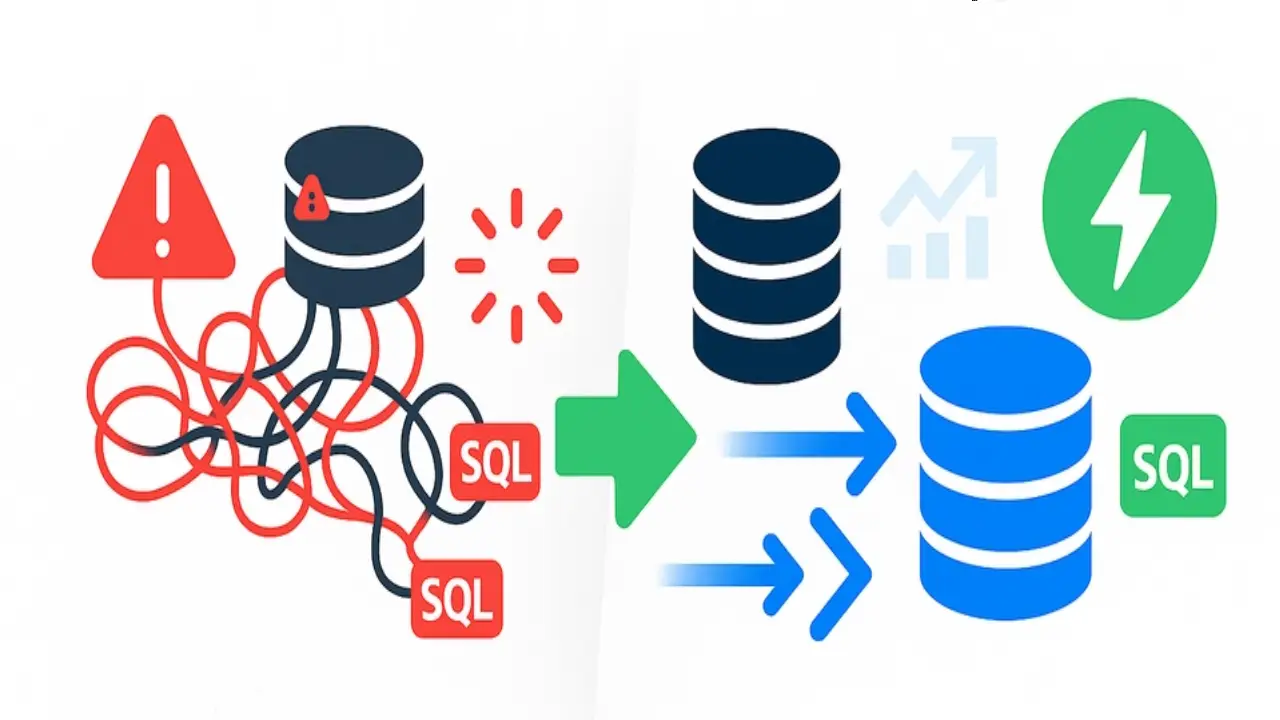
Databases play a crucial role in overall system performance. Poorly structured queries and unindexed tables can slow down an application dramatically. Therefore, optimizing database architecture is essential.
Developers should implement indexing, remove unnecessary joins, and streamline data retrieval processes. These steps significantly enhance application speed optimization and improve system responsiveness.
5. Use Content Delivery Networks
A Content Delivery Network (CDN) distributes application assets across multiple global servers. When users request content, it is delivered from the nearest server location. This reduces latency and accelerates loading times.
CDNs are particularly useful for websites and applications that serve international users. By distributing resources globally, businesses can maintain strong Application Performance even during heavy traffic periods.
6. Scale Infrastructure with Cloud Technologies
Modern applications often experience unpredictable traffic spikes. Cloud infrastructure allows businesses to scale computing resources dynamically according to demand.
Auto-scaling environments ensure systems remain stable during peak usage periods. Companies that combine cloud platforms with DevOps practices usually achieve better software performance optimization and improved reliability.
You can also explore related development solutions through our internal services page: Web Application Development Services.
7. Reduce Unnecessary Third-Party Integrations
Many applications rely on external APIs, scripts, and plugins to deliver additional features. However, excessive third-party dependencies often slow down loading speed and increase failure risks.
Reducing unnecessary integrations can significantly improve app speed and enhance overall stability. Developers should regularly review dependencies and remove those that no longer provide value.
Conclusion
Improving Application Performance requires a strategic combination of optimized coding practices, infrastructure scalability, and continuous monitoring. Businesses that focus on application speed optimization and use modern application monitoring tools can identify issues quickly and maintain reliable systems.
By applying techniques such as caching, database tuning, and CDN implementation, organizations can achieve better system responsiveness and stronger user satisfaction. Ultimately, investing in performance optimization ensures that digital platforms remain competitive, reliable, and ready for future growth.