
Understanding the Rise of Serverless Computing in Modern IT
Serverless Architecture has become one of the most transformative forces in modern technology, reshaping how organizations build, scale, and deploy applications. With businesses increasingly demanding agility, reduced operational overhead, and faster innovation cycles, serverless solutions offer a practical path toward IT modernization. This shift is not simply a trend but a long-term change driven by rapid cloud adoption, evolving customer expectations, and the need for cost-effective digital solutions.
1. Faster Deployment and Increased Agility
One of the biggest advantages of serverless architecture is its ability to streamline deployment. Developers no longer need to configure servers, manage capacity, or perform ongoing maintenance. They can focus entirely on writing application logic, which accelerates time-to-market.
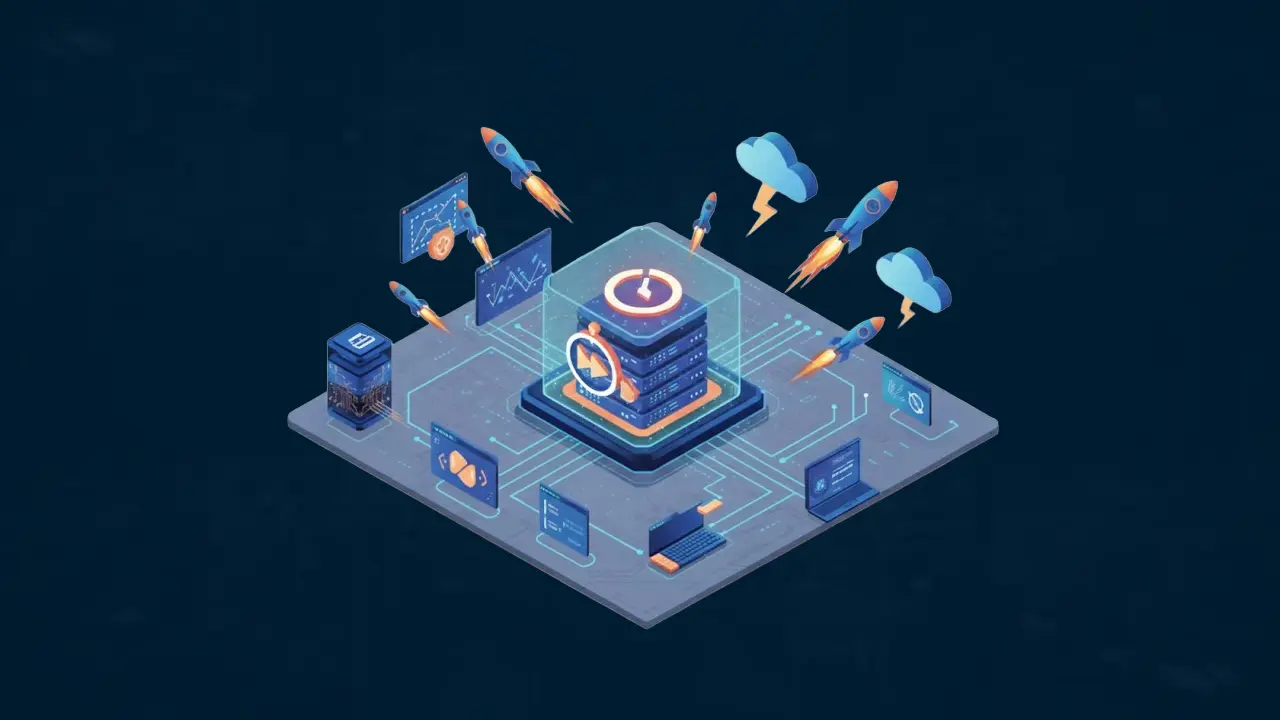
This agility supports continuous integration and continuous delivery (CI/CD), making it easier for teams to launch updates quickly and reliably. Whether launching a new feature, fixing a bug, or enhancing performance, serverless platforms automate the background operations. Organizations leveraging cloud computing benefit from automatic scaling and built-in performance optimizations that ensure smooth deployments.
For example, companies like Netflix and Coca-Cola have adopted serverless computing to reduce development time and respond more effectively to customer needs. Their success demonstrates how event-driven, managed environments can dramatically improve development speed.
2. Reduced Operational Costs and Higher Efficiency
Unlike traditional infrastructure, serverless platforms operate on a pay-per-execution model. Businesses are charged only when their code runs, resulting in significant cost savings, especially for applications with unpredictable traffic. This model eliminates idle server costs, over-provisioning, and unnecessary resource consumption.
Serverless architecture also reduces the need for system administrators, manual scaling, and routine infrastructure tasks. These savings allow IT teams to redirect their efforts toward more strategic objectives, such as innovation, user experience improvements, or automation initiatives.
Organizations can also integrate serverless functions with scalable infrastructure and edge computing services, further optimizing operational efficiency. This approach is particularly beneficial for startups and SMEs seeking enterprise-grade performance without heavy investment.
3. Built-In Scalability for Growing Business Demands
As user activity increases, serverless platforms scale automatically. This auto-scaling ensures consistent performance during peak traffic or seasonal spikes without requiring manual intervention. Businesses no longer need to worry about server capacity planning, system uptime, or load balancing.
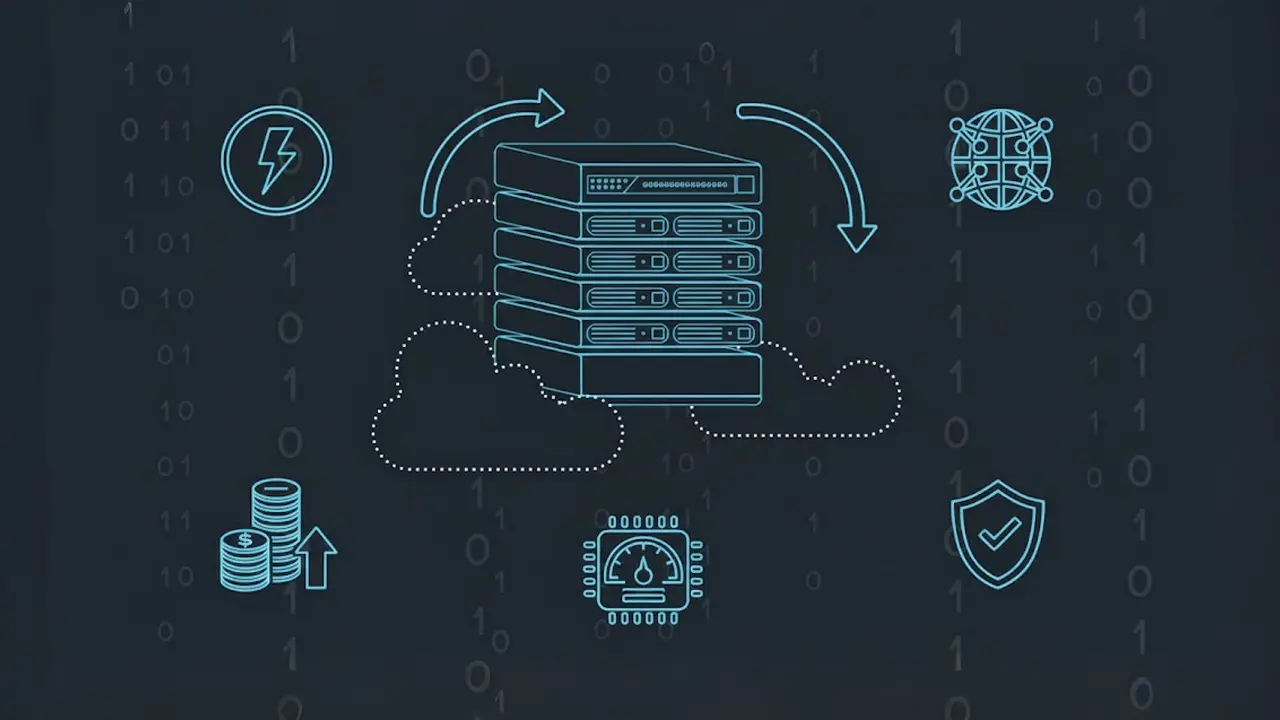
Whether an application processes hundreds or millions of requests, serverless computing adjusts resources instantly. This built-in elasticity enhances reliability and ensures seamless experiences for users, regardless of traffic fluctuations.
For organizations with global users, features like multi-region deployments, edge functions, and content delivery networks help maintain performance and reduce latency.
4. Strengthening Security and System Reliability
Serverless environments come with robust, cloud-native security features such as automatic patching, built-in monitoring, encrypted storage, and role-based access controls. Because providers handle infrastructure-level security, organizations experience fewer vulnerabilities and reduced risk.
Managed security and updated runtime environments allow IT teams to concentrate on application-level protection rather than maintaining servers. This proactive security posture improves reliability and minimizes downtime.
5. Enhancing Innovation Through IT Modernization
By eliminating infrastructure concerns, serverless architecture frees development teams to innovate faster. They can experiment with new ideas, integrate AI/ML services, and enhance digital customer experiences without delay.
Serverless also supports modular, event-driven designs that align perfectly with modern IT modernization strategies. It integrates with APIs, microservices, automation tools, and third-party platforms, making it ideal for enterprises undergoing digital transformation.
As organizations continue adopting cloud computing, serverless architecture is expected to play a central role in building agile, scalable, and efficient digital ecosystems.
Conclusion
Serverless architecture is reshaping IT by simplifying development, lowering costs, improving security, and enabling rapid innovation. Companies that embrace this approach gain greater flexibility and a competitive advantage in an increasingly digital world.
Learn more about modern cloud practices here:
Serverless on AWS.
Explore more technology insights on our platform: Information Technology Articles.