Embracing Change: The Next Phase of IT Evolution
The world of information technology is undergoing a massive shift. What was once focused solely on system maintenance and infrastructure is now centered on innovation and digital transformation. Companies across industries are investing in new technologies like automation, AI, and cloud computing to improve operations and deliver exceptional user experiences. The future of IT services is not just about managing technology—it’s about using it strategically to reshape entire business models.
Introduction
The world of technology is evolving faster than ever, and digital transformation in IT services is at the heart of this evolution.
Businesses that once relied on traditional IT infrastructures are now embracing cloud computing, artificial intelligence, and automation
to become more agile and competitive. This digital shift is not simply about upgrading tools — it’s about changing how organizations operate,
innovate, and deliver value in an increasingly connected world.
Modern IT service providers play a critical role in guiding businesses through this transformation journey.
By combining data-driven insights, intelligent automation, and advanced digital strategies, companies can reduce costs,
improve productivity, and enhance customer experiences — all while preparing for future market demands.
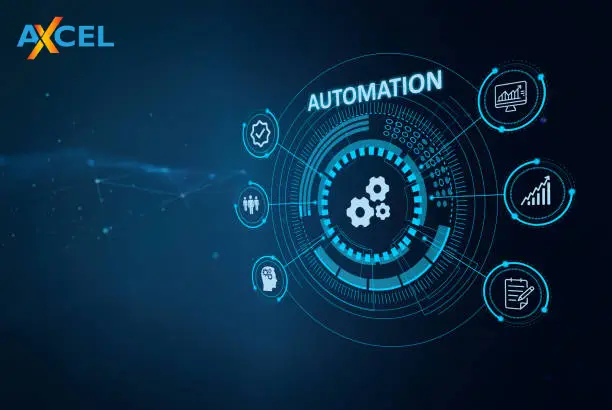
The Rise of Automation in IT
Automation in IT has become a game changer for organizations seeking efficiency and precision.
Routine tasks such as server monitoring, data backup, and deployment management are now handled by automated workflows.
This not only minimizes human error but also enables faster execution and greater scalability.
By integrating robotic process automation (RPA) and intelligent scripting, businesses are creating more reliable infrastructures.
For instance, automated incident response systems can detect and resolve performance issues before they affect end users.
This proactive approach helps organizations deliver smoother, more reliable digital experiences for their customers.
Artificial Intelligence: The Driving Force of Modern IT
Artificial Intelligence (AI) is redefining the boundaries of what’s possible in IT service delivery.
With AI-driven IT solutions, companies are leveraging machine learning to predict issues, optimize performance,
and make smarter business decisions. AI-powered analytics can identify system bottlenecks, monitor security threats,
and even recommend preventive actions before failures occur.
Beyond operations, AI is transforming customer support through intelligent chatbots, voice assistants, and personalized recommendations.
These systems analyze user behavior and provide faster, context-aware solutions — improving satisfaction and reducing response times.
As AI continues to evolve, its impact on IT will only deepen, pushing the boundaries of efficiency and innovation.
For a deeper understanding of how AI influences IT operations, visit IBM’s guide to digital transformation – a reliable resource exploring AI adoption in modern businesses.
Cloud Computing: Flexibility and Scalability for the Future
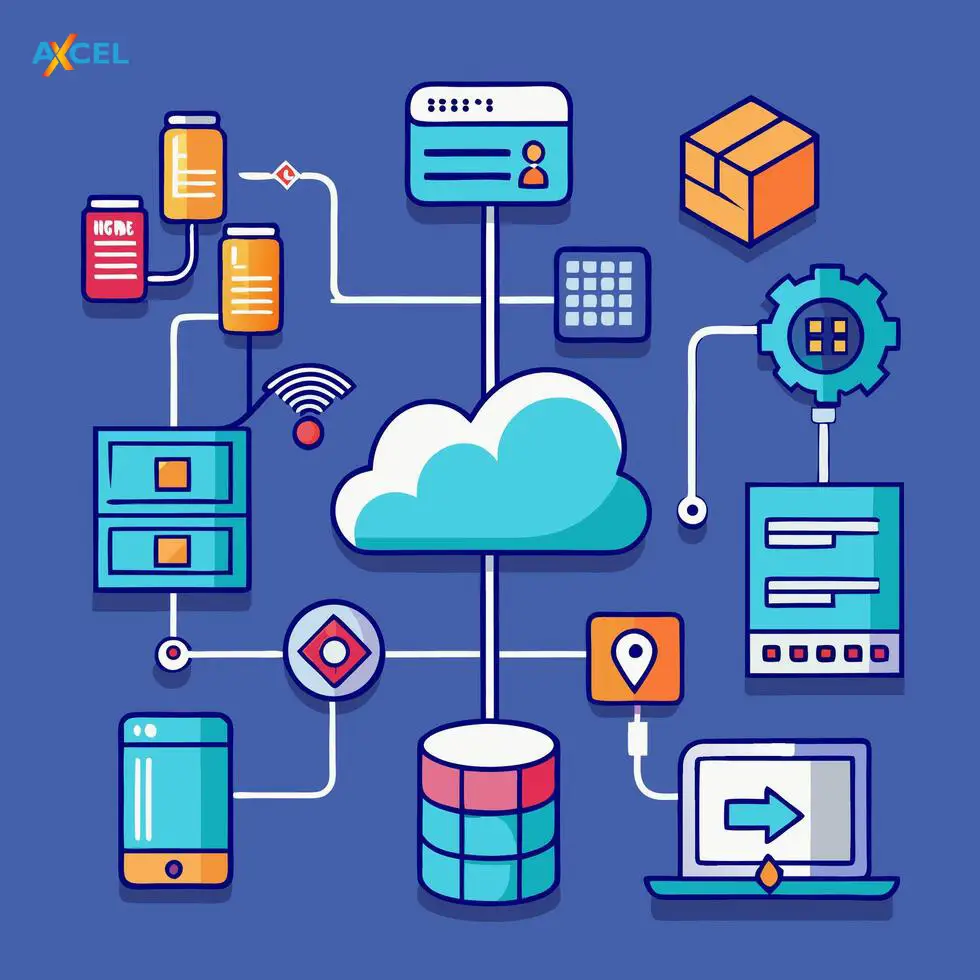
The shift to the cloud has revolutionized how organizations manage their infrastructure. Emerging cloud computing trends
such as hybrid and multi-cloud environments provide flexibility, cost control, and scalability that traditional on-premises systems can’t match.
Businesses can now deploy applications globally, scale resources on demand, and ensure business continuity through cloud redundancy.
Cloud platforms also enable remote collaboration — a critical advantage in today’s distributed work environment.
Developers, analysts, and managers can access shared resources from anywhere, increasing productivity and innovation across teams.
The combination of cloud and automation has become the ultimate catalyst for digital growth.
Driving Business Innovation Through Digital Transformation
At its core, digital transformation is about business technology innovation.
Companies adopting digital-first strategies are not just upgrading IT systems; they’re reimagining customer experiences,
improving decision-making, and creating entirely new business models.
For example, predictive analytics allows retailers to forecast demand, while IoT solutions enable manufacturers to track assets in real time.
These advancements drive data-informed strategies that were once impossible. As more organizations invest in automation, AI, and cloud technology,
the result is a more intelligent, responsive, and efficient digital ecosystem.
Learn more about how AxcelWorld empowers businesses through technology by visiting our Services – where innovation meets practical business transformation.
Conclusion
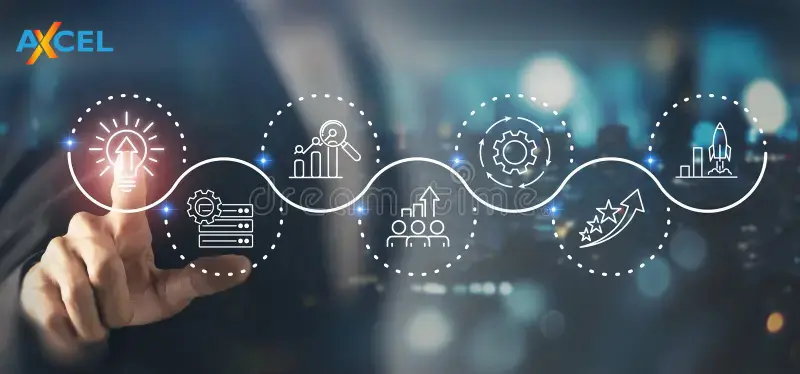
The future of IT services is being shaped by digital transformation at every level.
From automation and AI to scalable cloud systems, these innovations are redefining how businesses operate and deliver value.
Companies that embrace these changes are better equipped to adapt to new challenges, respond to market shifts,
and lead with innovation.
At AxcelWorld, we help organizations navigate this transformation with tailored IT solutions that align with their goals.
Our expertise in cloud, automation, and AI integration ensures that your business remains competitive, efficient, and future-ready.
The digital revolution is here — and those who act now will lead tomorrow.