
Mastering Design Strategy for Higher Conversions
UI UX Design plays a vital role in how people interact with your brand. Beyond just appearance, it determines how easy, trustworthy, and enjoyable your digital experience feels. When done right, UI UX Design turns visitors into loyal customers. In this article, we’ll uncover seven powerful techniques that use design strategy to increase conversions and brand credibility.
1. Prioritize Clarity in Every Interaction
Clear interfaces are the foundation of great UI UX Design. Visitors should instantly understand your offer and how to take the next step. Every button, label, and section should have a purpose. Good user experience design removes friction and creates a natural path toward conversion.
How to Apply It
Keep your layout simple, CTAs visible, and copy concise. Avoid jargon or unnecessary animation that confuses users. When navigation feels effortless, people trust your site more—and they convert faster.
2. Guide User Focus with Visual Hierarchy
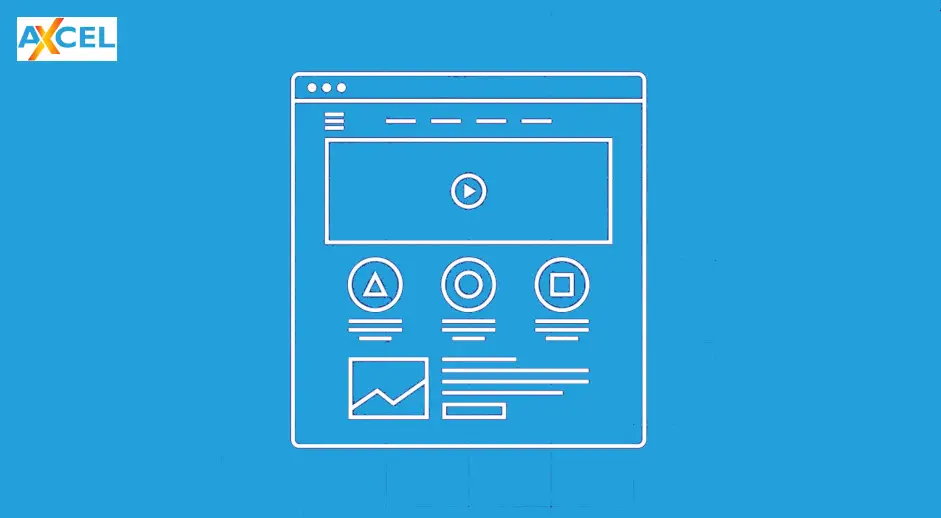 A thoughtful hierarchy makes your design intuitive. Use font size, spacing, and color contrast to lead the eye toward important actions such as CTAs or product highlights. Visual order helps users understand where to focus first and what steps to take next.
Great UI UX Design emphasizes essential content while keeping clutter out of sight. The right balance between whitespace, icons, and typography creates flow and reduces decision fatigue.
3. Make the First Impression Count
Users form opinions within seconds. A fast, clear, and mobile-friendly site builds confidence instantly. A strong UI UX Design ensures that your key value proposition and action button appear above the fold. People should know what your business does before scrolling.
Clutter-free pages, responsive grids, and optimized visuals make your website look trustworthy. A seamless first impression often leads to longer browsing sessions and higher conversion rates.
4. Simplify Forms and Navigation
Complex interactions discourage engagement. Simplify forms, use autofill, and add real-time validation. Each extra field or click can reduce conversion chances. A user-friendly UI UX Design makes it easy for visitors to complete tasks without confusion.
Ensure menus are organized logically. Limit dropdown levels, use clear labels, and keep your call-to-action consistent. Simple navigation is the fastest path to stronger results.
5. Build Trust Through Consistency
Consistency builds credibility. A cohesive UI UX Design uses the same colors, typography, and tone across all pages. When users experience visual harmony, they subconsciously feel your brand is reliable and professional.
Show trust indicators such as testimonials, security badges, and reviews. Consistent user experience design also includes uniform button styles, form inputs, and messaging. When visitors can predict how things behave, they feel safe engaging with your brand.
6. Design for Emotion and Connection
Emotional design connects humans to technology. Smart UI UX Design uses color psychology, motion, and language to evoke feelings of confidence, joy, or excitement. The right emotions keep users interested and attached to your brand identity.
Consider small moments like hover animations, success messages, or thank-you screens. These micro-interactions add personality and make users feel acknowledged after every action.
7. Measure and Improve with Data
Even the best UI UX Design can evolve. Use analytics, heatmaps, and A/B testing to understand how people interact with your website. Regular evaluation helps identify weak spots, improve content flow, and enhance usability.
Design is never finished—it’s refined through feedback. When you continuously test and adjust, your conversions grow organically.
Quick UI UX Checklist
Before you launch or redesign, run through this checklist:
- Website loads in under 3 seconds
- Primary CTA visible above the fold
- Consistent fonts and colors across pages
- Clear navigation and logical structure
- Simple forms with real-time validation
To explore advanced design psychology and research, visit Nielsen Norman Group, a trusted authority on usability and UI UX Design.
For more actionable tips, read our internal post on Blog to learn how to identify usability gaps and improve your user experience design effectively.
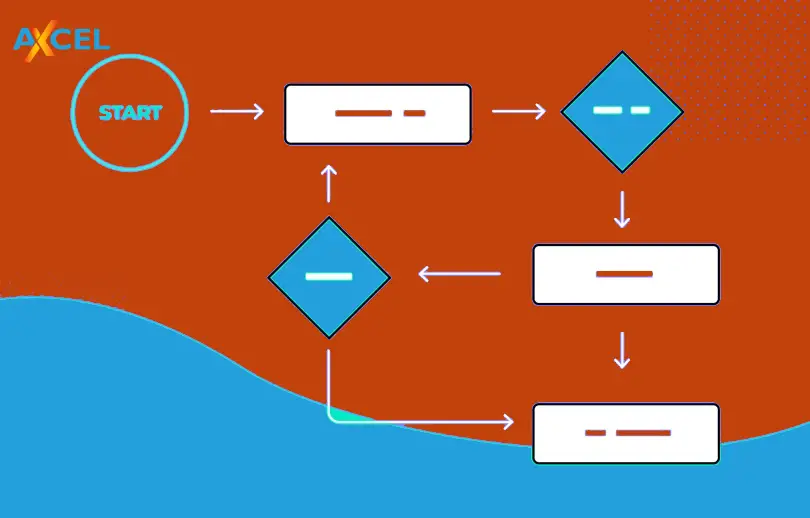
Conclusion: Turning Design into Conversions
Strong UI UX Design transforms your website into a conversion engine. By focusing on clarity, consistency, and emotional connection, you build digital experiences that users enjoy and trust. Keep testing, keep improving, and let real user behavior shape your design decisions. When your design aligns with user intent, conversions naturally follow.