
AI in eCommerce Customer Experience: How Smart Automation Is Reshaping Online Retail
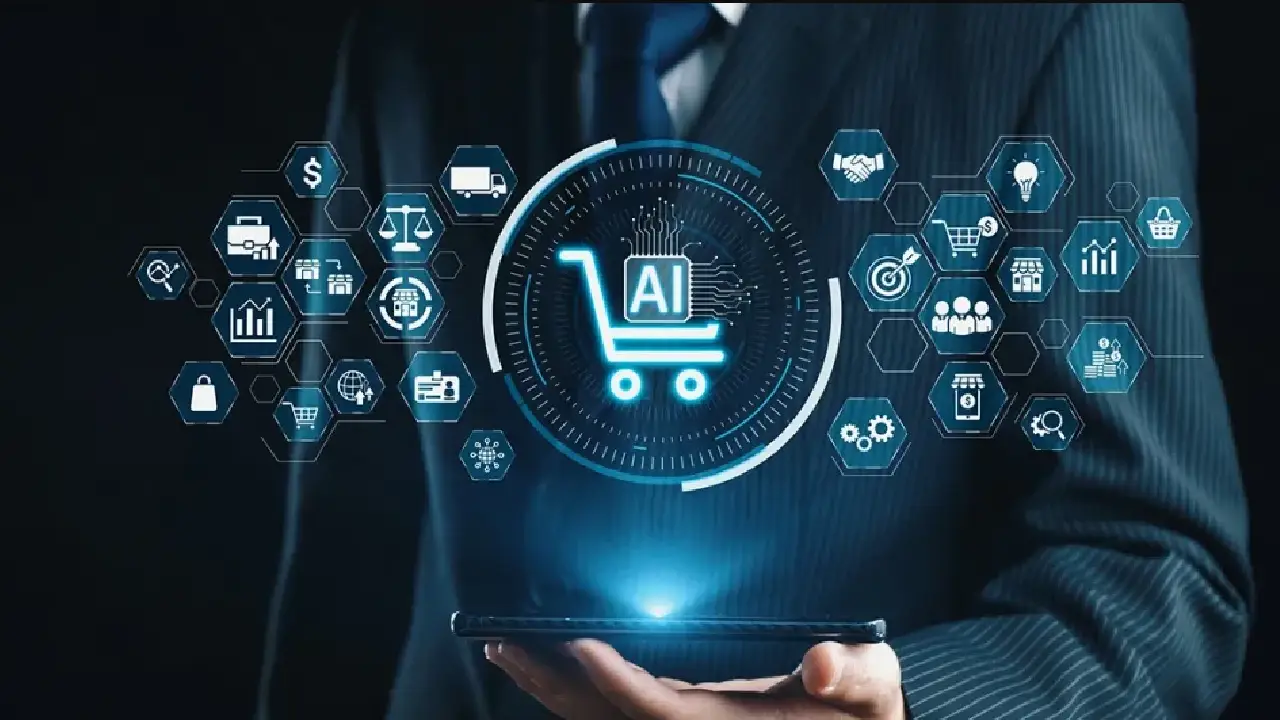
AI in eCommerce Customer Experience is no longer an experimental upgrade for online retailers — it is becoming the operating standard. Shoppers now expect instant answers, personalized product recommendations, and frictionless checkouts, and businesses that fail to deliver risk losing customers to competitors who already automate these interactions. This shift is driven by advances in machine learning, natural language processing, and enterprise automation that let brands respond to customer needs in real time rather than after the fact.
For business owners, SaaS startups, and IT managers evaluating digital transformation initiatives, understanding how AI in eCommerce Customer Experience works — and where it delivers the strongest return — is essential before committing budget to new platforms. This guide breaks down the technology, the business case, the risks, and the practical steps needed to implement it successfully.
The retailers seeing the biggest gains are not necessarily those spending the most on technology, but those integrating AI thoughtfully into existing systems. A well-planned rollout connects CRM data, order history, and support channels into one intelligent layer, rather than bolting on a chatbot as an afterthought. This distinction matters because customer experience is cumulative — a single disjointed interaction can undo months of goodwill built through fast shipping and quality products.
Automation consultants and digital transformation agencies increasingly treat AI-driven customer experience as core infrastructure, comparable to payment processing or inventory management, rather than a marketing experiment. That shift in mindset is what separates retailers who see measurable ROI from those who stall at the pilot stage.
What Is AI in eCommerce Customer Experience?
AI in eCommerce Customer Experience refers to the use of artificial intelligence, including machine learning models, conversational agents, and predictive analytics, to manage and improve every touchpoint a shopper has with an online store. This spans product discovery, personalized recommendations, customer support, order tracking, and post-purchase engagement.
In practice, this means AI agents that can answer support questions instantly, recommendation engines that adapt to browsing behavior, and automated workflows that connect a store’s eCommerce platform with CRM systems, inventory databases, and marketing tools. Unlike static rule-based automation, modern AI systems reason contextually, which allows them to handle nuanced requests without constant reprogramming.
Why Businesses Need AI in eCommerce Customer Experience
Customer expectations have shifted permanently. Shoppers compare every online interaction to the fastest, most personalized experience they have ever had — often set by major platforms with mature AI systems. Businesses that rely on manual processes or outdated chat scripts fall behind quickly.
- Support teams face rising ticket volumes without proportional headcount growth.
- Generic product recommendations reduce conversion rates and average order value.
- Cart abandonment remains high without timely, relevant intervention.
- Manual data entry between eCommerce platforms and CRM tools slows decision-making.
Enterprise automation powered by AI directly addresses these gaps. According to Gartner, organizations that invest in AI-driven customer engagement consistently report stronger retention and higher lifetime value, reinforcing why digital transformation strategies now place AI at the center rather than the periphery.
Key Benefits of AI in eCommerce Customer Experience
The advantages of AI in eCommerce Customer Experience extend well beyond faster response times. When implemented correctly, AI reshapes how a business operates across sales, support, and operations.
1. Hyper-Personalization at Scale
Machine learning models analyze browsing history, purchase patterns, and real-time behavior to surface products each shopper is genuinely likely to buy, replacing generic storefronts with dynamic, individualized experiences.
2. 24/7 Intelligent Customer Support
AI-powered custom AI chatbots resolve common questions instantly, escalate complex issues to human agents with full context, and eliminate the wait times that frustrate shoppers.
3. Predictive Analytics for Demand Forecasting
AI models built on cloud systems and business intelligence tools help retailers anticipate demand shifts, reducing stockouts and overstock while improving cash flow.
4. Reduced Operational Costs
Automating repetitive support and fulfillment workflows lowers staffing pressure. Businesses exploring this further can review how AI automation cuts operational costs across multiple departments simultaneously.
5. Higher Conversion and Retention Rates
Personalized nudges, abandoned cart recovery, and proactive support translate directly into measurable revenue gains, not just improved satisfaction scores.
Real-World Use Cases
AI in eCommerce Customer Experience shows up across the entire customer journey in ways that are already standard practice for competitive retailers.
- Conversational commerce: AI agents guide shoppers through product selection the way a knowledgeable in-store associate would, using natural language rather than rigid menus.
- Smart product recommendations: Recommendation engines built on customer data continuously refine suggestions based on live interactions.
- Automated order and shipping updates: AI-driven workflows push proactive notifications, reducing “where is my order” tickets.
- CRM-integrated support: Support tools connected through livechat and chatbot tracking to CRMs give every agent full customer history instantly.
- Dynamic pricing and promotions: AI models adjust offers based on inventory levels, demand signals, and customer segments.
Enterprise platforms such as Salesforce and cloud infrastructure from AWS now offer native AI capabilities that make these use cases accessible even to mid-sized retailers, not just large enterprises.
Beyond these core applications, retailers are also using AI to power post-purchase engagement, including personalized re-order reminders and loyalty offers timed to individual purchase cycles. Companies exploring adjacent digital channels are also applying similar AI principles within mobile app experiences, ensuring customers get consistent, intelligent interactions whether they shop from a desktop browser or a mobile device.
Challenges and Solutions
Adopting AI in eCommerce Customer Experience is not without obstacles, and rolling it out well requires realistic planning. Understanding these challenges upfront helps businesses avoid costly missteps.
| Challenge | Traditional Approach | AI-Driven Solution (2026) |
|---|---|---|
| Data silos across platforms | Manual exports and spreadsheets | Automated API integrations syncing data in real time |
| Inconsistent customer support quality | Scripted, rule-based chatbots | Context-aware AI agents with reasoning capability |
| Generic product discovery | Static category browsing | Behavior-based personalization engines |
| Slow response to demand shifts | Quarterly manual forecasting | Continuous predictive analytics |
Data privacy and integration complexity remain the most common concerns. Working with experienced partners for AI integrations, chatbots, and RAG agents helps ensure systems are built securely and connect cleanly with existing CRM and ERP tools, rather than creating new silos.
Future Trends in AI in eCommerce Customer Experience
Looking ahead, several trends are shaping where this technology is headed next:
- Agentic commerce: AI agents that can complete entire purchase workflows autonomously on a shopper’s behalf.
- Voice and multimodal shopping: Integration of voice assistants and image-based search into everyday shopping habits.
- Deeper CRM and ERP integration: Unified customer profiles spanning marketing, sales, and support in one system.
- Real-time hyper-personalization: Recommendations that adjust within the same session based on live intent signals.
- Responsible AI governance: Increased focus on transparency, as highlighted in guidance from Microsoft and OpenAI on responsible deployment of generative AI systems.
These shifts point toward AI workflow automation becoming a foundational layer of eCommerce infrastructure rather than an add-on feature. For a deeper look at how this automation extends across departments, see this breakdown of AI workflow automation benefits, challenges, and trends.
Best Practices for Implementing AI in eCommerce Customer Experience
- Start with a clear use case, such as customer support or personalization, rather than attempting a full-scale rollout at once.
- Ensure clean, unified customer data before deploying AI models, since poor data quality undermines even the best algorithms.
- Choose SaaS platforms and APIs that integrate natively with existing CRM and eCommerce systems.
- Maintain human oversight for complex or sensitive customer interactions.
- Continuously monitor performance metrics and retrain models based on real customer feedback.
- Work with experienced partners who understand both the technical and business sides of custom AI agents and assistants.
Industry benchmarks from HubSpot consistently show that phased AI adoption, paired with strong data foundations, produces better long-term outcomes than rushed, enterprise-wide deployments. Businesses should also set clear success metrics upfront, such as reduced first-response time or improved cart recovery rate, so that AI investments can be evaluated against measurable outcomes rather than assumptions.
Governance matters just as much as implementation. Establishing clear escalation paths for AI agents, along with regular audits of recommendation accuracy and response quality, keeps automated systems aligned with brand standards as they scale across more customer touchpoints.
Frequently Asked Questions
What is AI in eCommerce Customer Experience?
AI in eCommerce Customer Experience is the use of artificial intelligence to personalize product discovery, automate customer support, and streamline the entire online shopping journey.
How does AI improve online store conversions?
AI improves conversions by delivering personalized recommendations, resolving support questions instantly, and recovering abandoned carts through timely, relevant follow-ups.
Is AI customer support suitable for small eCommerce businesses?
Yes. Many SaaS-based AI tools are scalable and affordable, allowing small and mid-sized retailers to automate support and personalization without enterprise-level budgets.
What data is required to implement AI in eCommerce?
Effective AI implementation requires clean customer data from sources like purchase history, browsing behavior, and CRM records, integrated through reliable APIs.
Does AI replace human customer support teams?
No. AI handles repetitive and high-volume queries, while human agents focus on complex, high-value interactions, creating a more efficient support structure overall.
Conclusion
AI in eCommerce Customer Experience has moved from a competitive differentiator to a baseline expectation for online retailers in 2026. Businesses that combine personalization, intelligent support, and predictive analytics consistently outperform competitors still relying on manual or rule-based systems. The path forward involves careful planning, clean data foundations, and the right technology partners.
To explore how a tailored AI strategy could apply to your online store, review AXCEL’s services or contact our team to discuss your specific eCommerce goals.