
Top Mobile App Trends Reshaping Industries in 2026
Mobile App Trends 2026 are redefining how enterprises build, launch, and scale digital products across every industry. From AI-powered personalization to super app ecosystems, businesses that ignore these shifts risk falling behind faster-moving competitors. This guide breaks down the technologies, strategies, and real-world use cases that are shaping mobile innovation this year, giving IT leaders and SaaS founders a clear roadmap for what to prioritize next.
What Are Mobile App Trends 2026
Mobile App Trends 2026 refer to the emerging technologies, design patterns, and development practices that are actively reshaping how organizations build and deliver mobile experiences. These trends include AI-augmented mobile apps, cross-platform frameworks, super apps, edge computing, and hyper-personalized user journeys. Unlike short-lived fads, these shifts are backed by measurable changes in consumer behavior, enterprise IT budgets, and platform guidance published by Apple and Google.
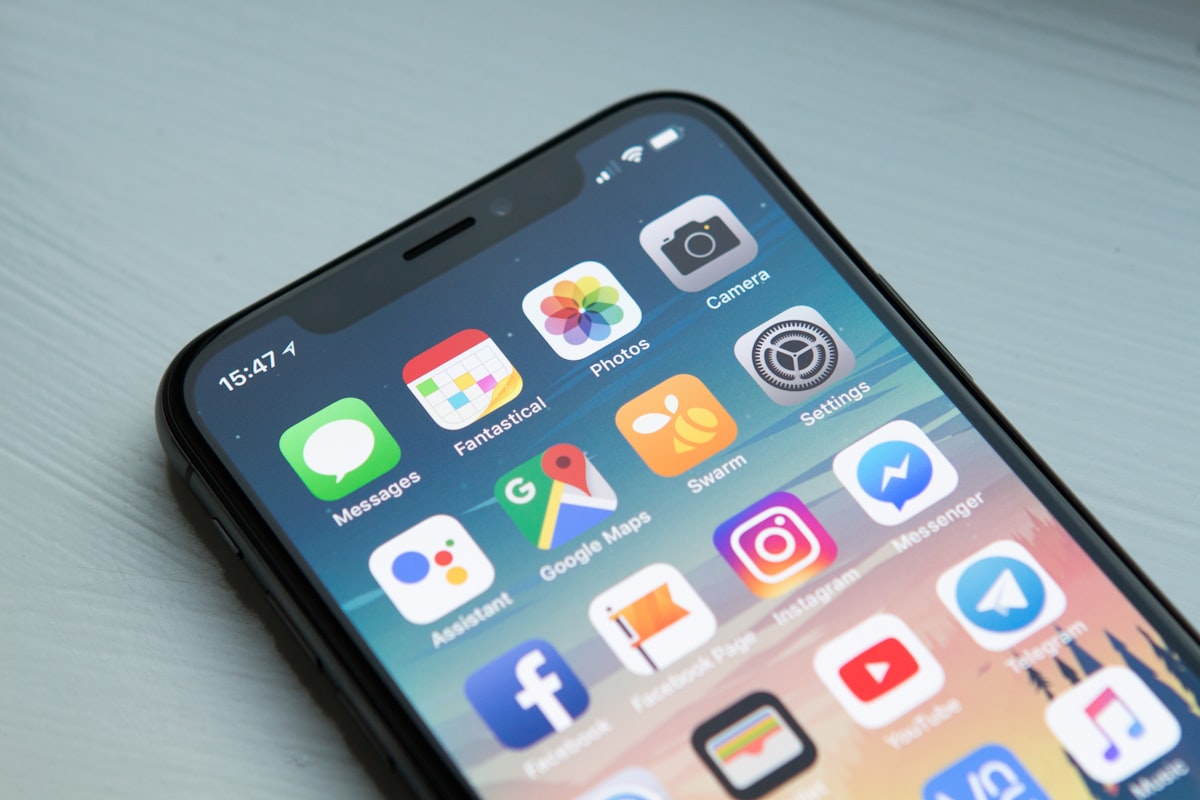
In practical terms, this means mobile apps are no longer standalone tools. They are becoming intelligent, connected extensions of a company’s broader digital ecosystem, tightly integrated with CRM platforms, cloud infrastructure, and enterprise automation systems.
Why Businesses Need to Follow Mobile App Trends 2026
Enterprises that adapt early to Mobile App Trends 2026 gain a measurable edge in customer retention, operational efficiency, and revenue growth. Mobile has become the primary channel for customer engagement across retail, banking, healthcare, and logistics, which means underinvesting in mobile strategy directly threatens competitiveness.
- Customer expectations for speed, personalization, and reliability continue to rise every year.
- Competitors are already deploying AI-driven features that improve conversion and satisfaction.
- Modern app architectures reduce long-term maintenance costs through cross-platform efficiency.
- Mobile-first strategies directly support broader digital transformation and automation goals.
Organizations exploring this shift often start by partnering with a specialized team offering custom mobile applications built around measurable business outcomes rather than generic templates. Research from Gartner consistently highlights mobile experience quality as a top driver of customer loyalty across sectors.

Key Benefits of Adopting These Mobile App Trends
Adopting current mobile innovation strategies delivers tangible advantages beyond aesthetics or novelty. The following benefits explain why enterprise leaders are prioritizing mobile modernization this year.
- Higher engagement: AI-personalized content and recommendations increase time spent in-app and repeat usage.
- Faster development cycles: Cross-platform frameworks like Flutter reduce time-to-market for new features.
- Stronger data insights: Integrated analytics dashboards give leadership real-time visibility into user behavior.
- Improved customer support: Conversational AI and chatbots resolve queries instantly, reducing support costs.
- Better retention: Contextual, real-time notifications keep users active without feeling intrusive.
- Scalable architecture: Cloud-native mobile backends scale automatically during demand spikes.
Real-World Use Cases Across Industries
These shifts are not theoretical. They are already being applied across sectors to solve concrete business problems.
Retail and eCommerce
Retailers are embedding AI shopping assistants directly into their apps to guide product discovery, answer questions, and reduce cart abandonment. Personalized push notifications, powered by behavioral analytics, now outperform generic marketing blasts.

Healthcare
Healthcare providers are using mobile apps for remote patient monitoring, appointment scheduling, and secure messaging between patients and care teams. Integration with wearable devices allows real-time health tracking without requiring in-person visits.
Banking and Finance
Financial institutions are deploying biometric authentication, AI-driven fraud detection, and conversational banking assistants inside their mobile apps to improve both security and customer experience simultaneously, following security frameworks outlined by IBM.
Logistics and Supply Chain
Logistics companies rely on mobile apps connected to IoT sensors and enterprise systems to track shipments, optimize delivery routes, and give customers accurate real-time updates.
| Capability | Traditional Mobile Apps | AI-Powered Mobile Apps (2026) |
|---|---|---|
| Personalization | Static content and segments | Real-time, behavior-based personalization |
| Customer support | Manual ticketing and FAQs | Conversational AI agents with instant resolution |
| Development approach | Separate native codebases | Unified cross-platform frameworks |
| Data usage | Basic in-app analytics | Predictive analytics and business intelligence integration |
| Security model | Password-based authentication | Biometric and AI-based anomaly detection |
Top Mobile App Trends 2026 Shaping Development
The following technology shifts represent the core trends that enterprise teams should evaluate this year.
AI-Augmented Mobile Apps
Artificial intelligence is now embedded directly into core app functionality rather than bolted on as a separate feature. This includes smart search, predictive text, personalized recommendations, and automated workflows. Businesses building these capabilities often work with teams specializing in AI-augmented mobile apps to integrate machine learning models without slowing down core development timelines.
Super Apps and Unified Ecosystems
Following patterns popularized in Asian markets, Western enterprises are building super apps that combine messaging, payments, commerce, and services into a single platform. This reduces friction and increases the lifetime value of each user relationship.
Cross-Platform Development with Flutter
Cross-platform frameworks continue to mature, allowing teams to ship consistent experiences on iOS and Android from a single codebase. This significantly cuts development and maintenance costs while maintaining near-native performance.
5G, Edge Computing, and Real-Time Experiences
Widespread 5G adoption and edge computing infrastructure enable low-latency features such as live video collaboration, augmented reality overlays, and real-time multiplayer experiences directly within mobile apps. Cloud providers such as Microsoft Azure continue to expand edge infrastructure to support these real-time workloads.

Hyper-Personalization Through Behavioral Data
Apps now adapt layouts, content, and offers dynamically based on individual user behavior, moving well beyond static demographic segmentation. This requires tight integration between mobile front ends and enterprise data platforms.
Enhanced App Security and Privacy Controls
With growing regulatory scrutiny, mobile apps are adopting stronger encryption, on-device processing, and transparent consent flows to protect user data while maintaining compliance across regions.
No-Code and Low-Code Mobile Development
No-code and low-code platforms are enabling smaller teams to prototype and launch functional mobile apps faster, freeing engineering resources to focus on complex, differentiated features.
Wearables and Foldable Device Integration
As foldable phones and wearables gain adoption, responsive and adaptive interface design has become essential. Apps must scale gracefully across screen sizes, input methods, and device orientations, a challenge closely tied to modern mobile app design practices.
| Factor | Native Development | Cross-Platform Development (Flutter) |
|---|---|---|
| Codebase | Separate for iOS and Android | Single shared codebase |
| Time to market | Slower, parallel builds required | Faster, unified release cycles |
| Maintenance cost | Higher, two teams required | Lower, one team can maintain both platforms |
| Performance | Optimal for hardware-intensive apps | Near-native for most business use cases |
| Best fit | Gaming, AR-heavy applications | Enterprise apps, SaaS platforms, eCommerce |
Challenges and Solutions
Adopting new mobile technology introduces real operational challenges. Understanding these obstacles helps teams plan realistic implementation roadmaps.
- Challenge: Fragmented user experience across devices. Solution: invest in consistent, scalable UI systems guided by strong user interface and user experience design principles.
- Challenge: Rising development and maintenance costs. Solution: adopt cross-platform frameworks to reduce duplicated engineering effort.
- Challenge: Data privacy and compliance complexity. Solution: build privacy-by-design architecture with clear consent management from day one.
- Challenge: Integrating AI without disrupting existing systems. Solution: work with experienced partners offering AI integrations, chatbots, and RAG agents to connect models safely with production data.
- Challenge: Keeping pace with platform updates. Solution: maintain a proactive update and testing cycle aligned with Apple and Google release schedules.
Future Trends Beyond 2026
Looking further ahead, mobile apps are expected to become increasingly agentic, with AI systems capable of completing multi-step tasks on a user’s behalf rather than simply responding to individual queries. Ambient computing, where mobile experiences extend seamlessly into wearables, vehicles, and smart home devices, will likely accelerate. Enterprises should also expect deeper integration between mobile apps and enterprise resource planning systems, allowing field teams to interact with core business data in real time.
Best Practices for Adopting Mobile App Trends 2026
- Audit your current mobile stack against modern performance, security, and personalization benchmarks.
- Prioritize cross-platform frameworks unless a use case specifically demands native-only capabilities.
- Design AI features around clear business outcomes rather than novelty for its own sake.
- Build privacy and compliance into the architecture from the earliest planning stages.
- Establish continuous analytics feedback loops to guide iterative feature improvements.
- Partner with experienced mobile and AI development teams to avoid costly rework.
Enterprises serious about long-term mobile strategy often begin with a structured consultation to advise on web and mobile technology before committing engineering resources to a full build. For deeper design guidance, our related article on UI/UX design principles powered by AI in 2026 explores how interface decisions affect these outcomes.

Frequently Asked Questions
What are the biggest Mobile App Trends 2026 for enterprises?
The biggest trends include AI-augmented features, cross-platform development with Flutter, super app ecosystems, hyper-personalization, and stronger built-in security and privacy controls.
Why is cross-platform development important in 2026?
Cross-platform development reduces engineering costs and speeds up releases by allowing one codebase to power both iOS and Android apps without sacrificing performance.
How is AI changing mobile app development?
AI is enabling smarter search, real-time personalization, automated workflows, and conversational support directly inside mobile apps rather than as separate add-on tools.
Are super apps replacing single-purpose mobile apps?
Super apps are gaining traction by combining commerce, messaging, and services in one platform, though single-purpose apps remain relevant for specialized, high-frequency use cases.
How can businesses prepare for these mobile app trends?
Businesses should audit their current mobile stack, prioritize scalable architecture, and partner with experienced development teams to implement AI and cross-platform capabilities responsibly.
Conclusion
Mobile App Trends 2026 make it clear that mobile strategy can no longer be treated as an afterthought. From AI-augmented experiences to cross-platform efficiency and stronger security, the enterprises that act now will be positioned to lead their industries rather than react to competitors. Whether you are modernizing an existing app or building a new one from scratch, aligning with these trends is essential for sustainable growth. To explore how these shifts apply to your specific business, you can contact our team or browse our full range of services for guidance tailored to your industry.