
Understanding the Shift in Business Infrastructure
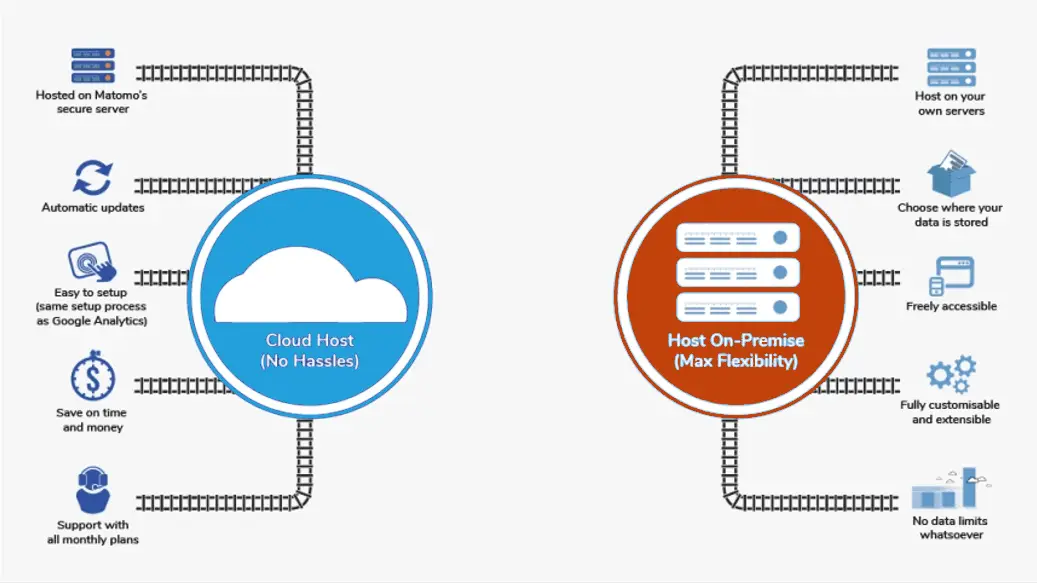
The debate of Cloud vs On-Premise has reshaped the way organizations think about their IT infrastructure. As technology evolves, the decision between maintaining traditional on-premise systems or adopting modern cloud-based solutions has become critical for business growth, flexibility, and cost management. Choosing the right infrastructure can make or break operational efficiency, scalability, and long-term profitability.
1. Cost and Investment: Upfront vs Subscription
When comparing Cloud vs On-Premise setups, cost is one of the biggest differentiators. On-premise solutions require a significant upfront investment in servers, hardware, and maintenance. Businesses must also pay for energy, physical security, and technical staff. In contrast, cloud infrastructure follows a pay-as-you-go model, allowing organizations to manage expenses flexibly without capital-heavy commitments.
According to IBM Cloud, many small and mid-sized companies prefer cloud deployment because it offers predictable costs, reducing financial risks associated with infrastructure scaling.
2. Security and Control: Who Holds the Keys?
Security remains a major consideration in the Cloud vs On-Premise decision. On-premise systems allow companies to maintain full control of their data, with internal teams responsible for encryption and access management. Cloud providers, however, offer advanced security features, multi-factor authentication, and compliance certifications that are difficult for smaller firms to replicate independently.
It’s essential to balance control with convenience. A hybrid approach can sometimes deliver the best of both worlds—offering local control for sensitive data and cloud storage for general workloads.
3. Scalability and Flexibility: Growing Without Limits
Cloud platforms provide unmatched scalability. Businesses can easily increase storage, computing power, or applications with minimal delay. On-premise solutions, however, require physical expansion, additional servers, and sometimes even facility upgrades. The Cloud vs On-Premise comparison clearly favors cloud when rapid scaling or global expansion is a goal.
Organizations that operate across multiple regions find the cloud ideal due to its ability to deliver resources closer to users, improving performance and reducing latency.
4. Maintenance and Management: Simplify or Customize
In an on-premise environment, IT teams must handle all updates, backups, and troubleshooting manually. This can strain resources and divert focus from innovation. Cloud services automate these tasks, offering real-time updates, managed support, and monitoring. The ease of management in the cloud lets businesses focus more on strategic goals rather than technical maintenance.
5. Performance and Reliability: Consistency Matters
Performance stability is another key factor in the Cloud vs On-Premise debate. Cloud platforms use distributed servers that minimize downtime and ensure higher availability. On-premise systems depend on localized hardware, making them more vulnerable to single points of failure. Cloud solutions often include Service Level Agreements (SLAs) guaranteeing 99.9% uptime.
Still, for businesses with critical real-time processes or regulatory constraints, on-premise setups can be optimized for guaranteed internal control and data locality.
6. Compliance and Data Governance: Meeting Industry Standards
Compliance regulations such as GDPR, HIPAA, or ISO standards affect where and how data is stored. With Cloud vs On-Premise setups, businesses must determine which model aligns best with their legal and operational requirements. Leading cloud providers have compliance frameworks in place, but certain industries, like healthcare or finance, may still prefer on-premise solutions for added data governance.
Choosing Smart for Your Business
Ultimately, the choice between Cloud vs On-Premise depends on business size, budget, and future goals. Cloud deployment offers flexibility, scalability, and reduced maintenance, while on-premise systems provide full control and enhanced data ownership. Many companies are now adopting hybrid strategies to balance both advantages effectively.
For more insights into modern IT infrastructure, visit our Services page to explore how businesses can adapt digital transformation effectively.