The Growing Synergy Between Marketing and Development
In today’s fast-moving digital landscape, digital marketing and web development are no longer separate disciplines. The primary focus keyword digital marketing now plays a vital role in shaping how websites perform, engage, and convert. This collaboration creates websites that are not only beautiful but also optimized for visibility, performance, and measurable success.
As businesses compete online, understanding how marketing and development work together becomes crucial. From SEO-driven design to analytics-based optimization, here are five powerful ways digital marketing boosts web development in 2025 and beyond.
1. SEO-Driven Development
Search engine optimization (SEO) is the foundation of online visibility. When digital marketing strategies guide web development, every design element supports better rankings. Developers who understand SEO principles can build fast-loading, mobile-friendly, and schema-ready sites that rank higher on Google.
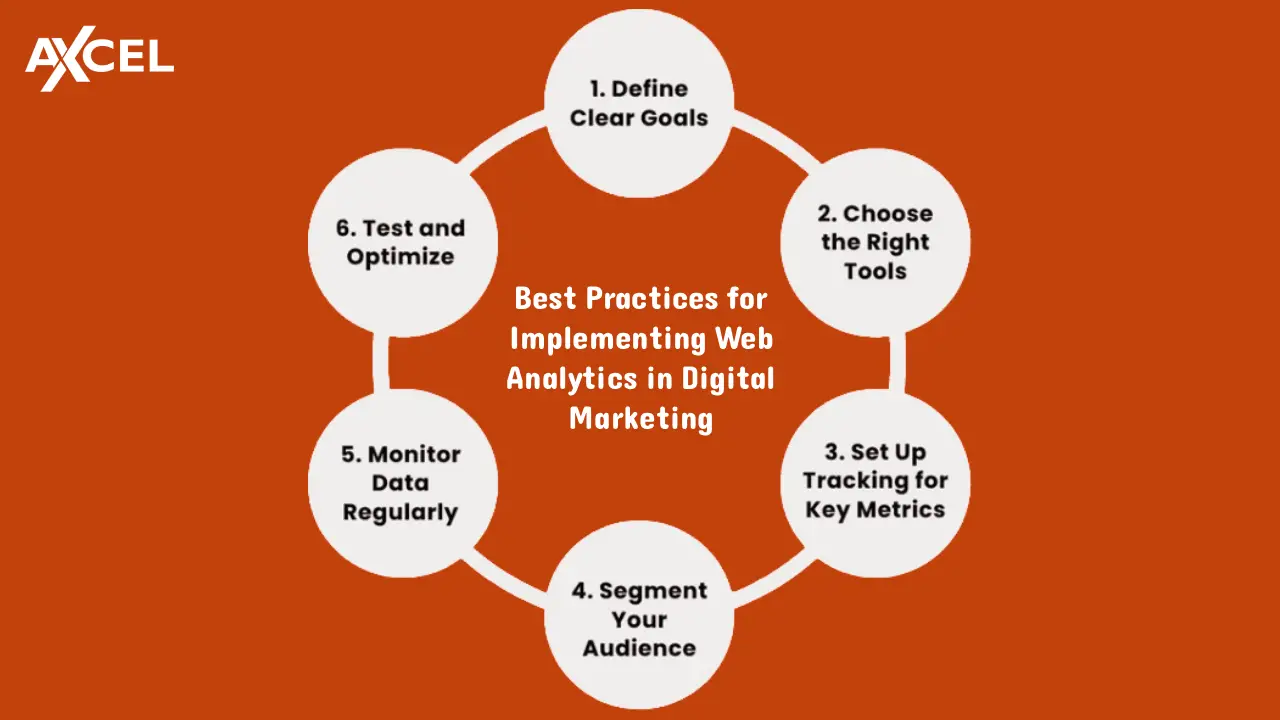
For example, optimizing code structure, implementing responsive design, and adding meta data properly ensures that both users and search engines can interpret site content easily. Collaboration between SEO experts and developers reduces technical debt and creates scalable platforms that perform well over time.
2. Conversion-Focused Design
One of the most impactful ways digital marketing improves web development is through conversion-focused design. Marketers rely on user behavior data to help developers create layouts that increase engagement and sales. By using clear call-to-action (CTA) buttons, optimized landing pages, and persuasive visuals, businesses can turn visitors into loyal customers.
Heatmaps and A/B testing tools like Hotjar or Google Optimize reveal how users interact with pages. Developers can then adjust design elements for higher click-through rates and reduced bounce rates. Together, these disciplines create seamless user journeys that boost revenue.
3. Content Management and Optimization
Content remains the backbone of digital marketing. Developers ensure that websites are built on flexible content management systems (CMS) like WordPress or Webflow that make it easy to publish, edit, and optimize content regularly. A well-structured CMS empowers marketing teams to update blogs, case studies, and landing pages without coding knowledge.
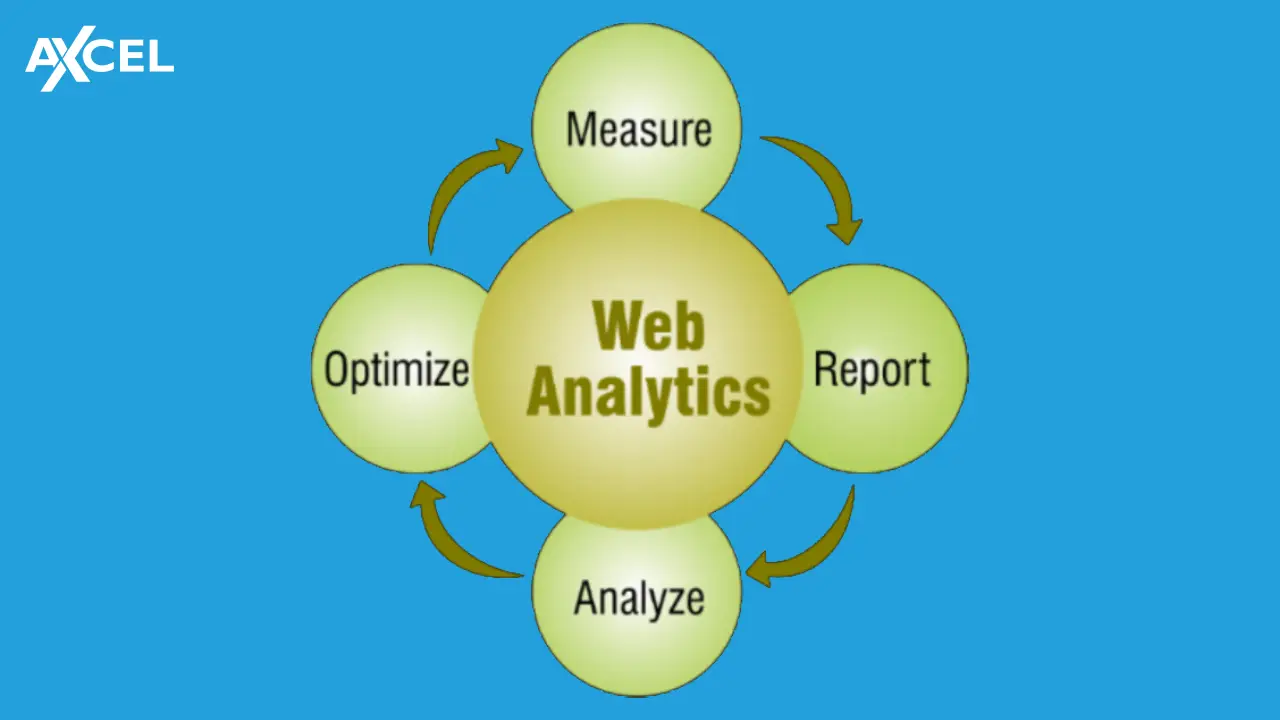
Integrating keyword tools, analytics, and plugins such as Yoast SEO helps teams maintain consistent optimization. Developers also enhance site performance with caching, image compression, and structured data implementation. The result is a website that loads fast, ranks high, and supports long-term marketing goals.
4. Data Analytics and Performance Tracking
Modern digital marketing relies heavily on data to make informed decisions. Developers integrate tools like Google Analytics, Tag Manager, and Facebook Pixel directly into websites. These integrations allow marketing teams to track visitor behavior, conversion funnels, and campaign performance accurately.
For example, tracking scripts embedded into key areas of a website reveal which pages perform best and where users drop off. This data enables marketers to refine content strategies and developers to improve UX design. When analytics inform development, businesses achieve better engagement and measurable ROI.
5. Continuous Improvement Through Collaboration
The synergy between digital marketing and web development doesn’t end after a website launch. Continuous improvement is key. Marketers and developers must work together to test new features, optimize site speed, and enhance usability. Regular performance audits ensure that websites remain aligned with changing algorithms and user expectations.
Frameworks like Agile and DevOps encourage this collaboration by promoting feedback loops and iterative updates. When marketing data informs development decisions, websites evolve faster, perform better, and deliver consistent growth across all digital channels.
Why This Partnership Matters
The alignment of digital marketing and web development is more than a strategy—it’s a necessity. Businesses that invest in both areas gain a competitive advantage by building scalable, optimized, and conversion-driven websites. A unified team ensures that the brand message, technology stack, and user experience all work together to drive growth.
To see real-world examples of this integration, explore AXCEL’s project portfolio, where marketing insights directly influence technical excellence.
Conclusion
In summary, digital marketing doesn’t just complement web development—it elevates it. Through SEO, content strategy, analytics, and user-centric design, marketing provides developers with the insights needed to build smarter, faster, and more effective websites. As businesses enter the next era of online competition, the fusion of these two disciplines will remain the key to sustainable success.
When both teams collaborate effectively, the result is more than a website—it’s a complete digital ecosystem built to attract, engage, and convert.