
How Technology Is Redefining the Future of Online Shopping
In today’s rapidly evolving digital landscape, modern tech integrations in eCommerce are not just optional—they are essential. With new technologies reshaping every aspect of online retail, businesses are achieving higher efficiency, personalization, and customer satisfaction than ever before. From artificial intelligence to blockchain, modern tools are revolutionizing how online stores operate and connect with their customers.
1. Artificial Intelligence Enhances Personalization
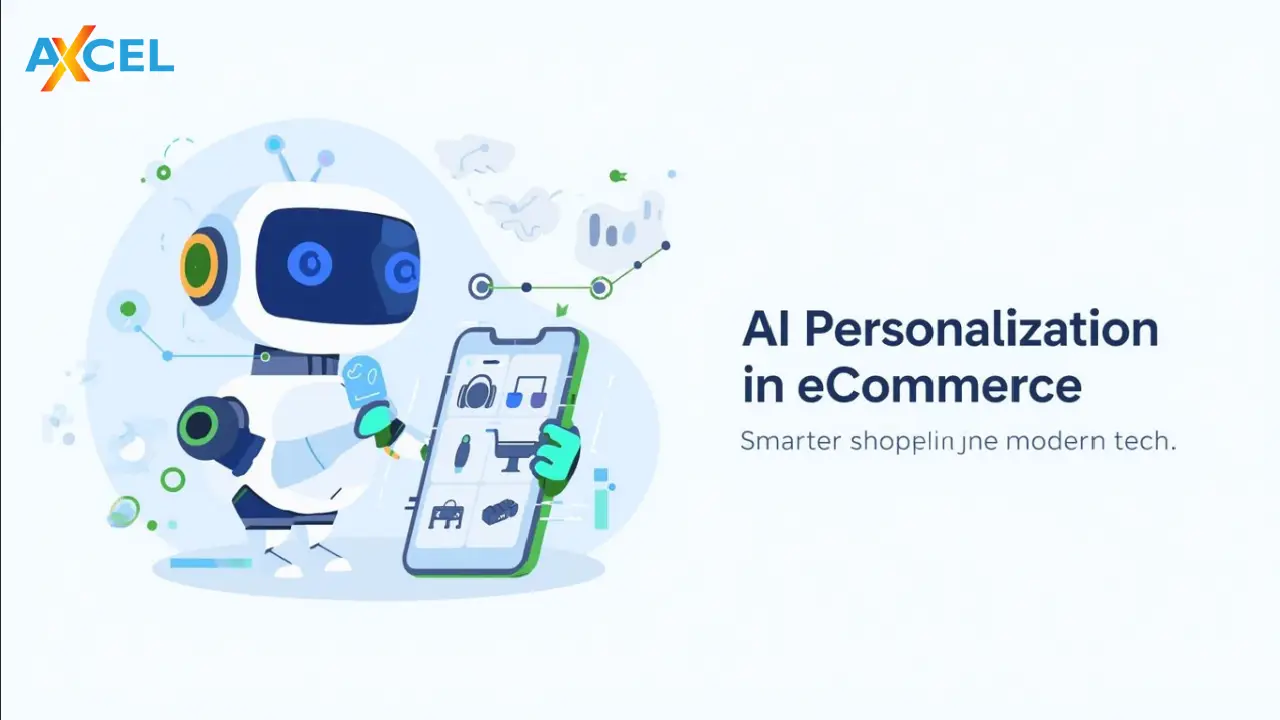
Artificial Intelligence (AI) has become the backbone of eCommerce technology. By analyzing user behavior, AI-driven systems recommend products, predict preferences, and automate customer interactions. This creates a smoother and more personalized shopping experience, increasing conversion rates and customer loyalty.
Chatbots and virtual assistants powered by AI respond instantly to queries, helping businesses offer 24/7 support. Predictive analytics also enables retailers to forecast demand and manage inventory effectively, reducing operational costs while boosting satisfaction.
2. Augmented Reality (AR) Improves Customer Experience
AR is one of the most exciting modern tech integrations in eCommerce. It allows customers to visualize products before purchasing them—right from their smartphones or desktops. For instance, furniture stores let users preview how a sofa would look in their living room, while cosmetic brands allow virtual makeup trials.
By bridging the gap between physical and digital shopping, AR helps reduce product returns and enhances customer confidence. The immersive experience not only improves engagement but also drives repeat purchases.
3. Blockchain Ensures Transparency and Trust
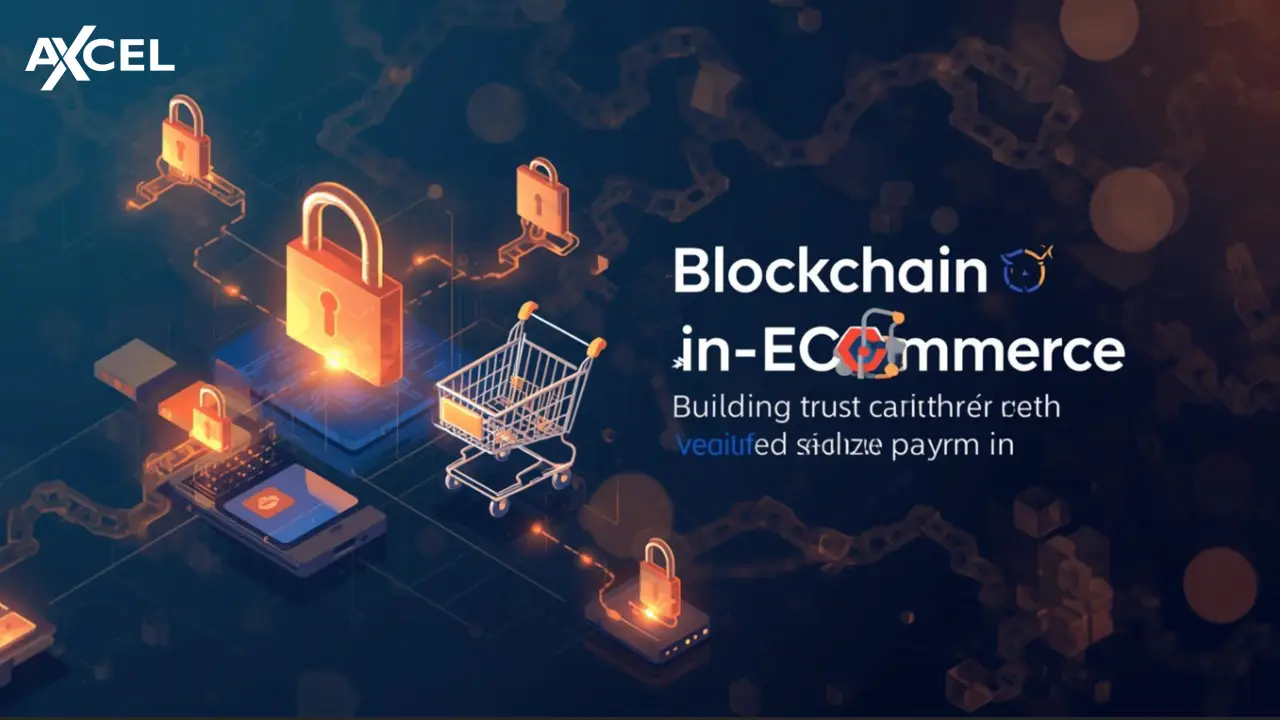
Blockchain technology brings a new level of security and transparency to online transactions. It enables decentralized, tamper-proof ledgers that verify every purchase, ensuring authenticity and reducing fraud. This innovation is particularly useful for luxury goods and international payments, where customers demand verified authenticity.
Additionally, blockchain-powered supply chain tracking helps customers know exactly where their products come from—enhancing trust and sustainability in modern eCommerce systems.
4. Cloud Computing Boosts Scalability and Efficiency
Cloud-based platforms are transforming the way online stores operate. From data storage to customer management, cloud computing offers flexibility and cost efficiency. Retailers can scale resources up or down depending on traffic, ensuring consistent performance during peak shopping seasons.
Moreover, integrating cloud-based solutions with other eCommerce technologies allows seamless management of multiple sales channels, including websites, apps, and marketplaces—all from one platform. This integration improves efficiency while reducing IT infrastructure costs.
5. Mobile Commerce and Smart Payments
Mobile commerce is no longer a trend—it’s the standard. With smartphones accounting for a majority of online purchases, businesses are optimizing their websites and apps for mobile-first users. Mobile wallets and one-click payment systems powered by modern tech improve checkout speed and security.
Innovations like biometric authentication, digital wallets, and secure payment gateways enhance user confidence and reduce cart abandonment rates. Integrating these systems is essential for any online business aiming to thrive in the mobile-driven economy.
The Future of eCommerce Innovation
The fusion of AI, blockchain, AR, cloud computing, and mobile technology marks the dawn of a smarter and more connected retail ecosystem. Businesses that embrace these modern tech integrations in eCommerce will enjoy increased growth, trust, and long-term customer loyalty.
For instance, platforms like Services empower businesses to integrate these technologies seamlessly, ensuring scalable and future-ready solutions.
Conclusion
Modern technology has redefined how online stores operate—from smarter personalization to more secure transactions. By leveraging AI, blockchain, cloud, and mobile innovations, retailers can create dynamic, customer-focused experiences that ensure sustained success in the competitive digital market.