
Why Modern Businesses Need a Strategic Technology Foundation
A Future-Proof Tech Stack is no longer optional for organizations that want to remain competitive. Technology evolves rapidly, and outdated systems limit scalability, security, and innovation. Therefore, companies must design infrastructure that adapts to change without constant disruption.
Many enterprises struggle because they adopt tools reactively. However, a structured approach ensures long-term resilience. When you align systems with business objectives, you reduce operational risks and unlock sustainable growth.
In this guide, we will break down five essential steps that help you build a strong, adaptable technology foundation for the years ahead.
1. Define Clear Business and Technical Objectives
Before selecting tools, define measurable goals. Your technology should directly support revenue growth, operational efficiency, and customer experience improvements.
Start by auditing current systems. Identify performance bottlenecks, integration gaps, and security weaknesses. Then map each technical requirement to business outcomes.
This alignment ensures your Future-Proof Tech Stack supports strategic priorities rather than creating technical debt. Moreover, it improves decision-making during vendor selection.
2. Design a Scalable Architecture from Day One
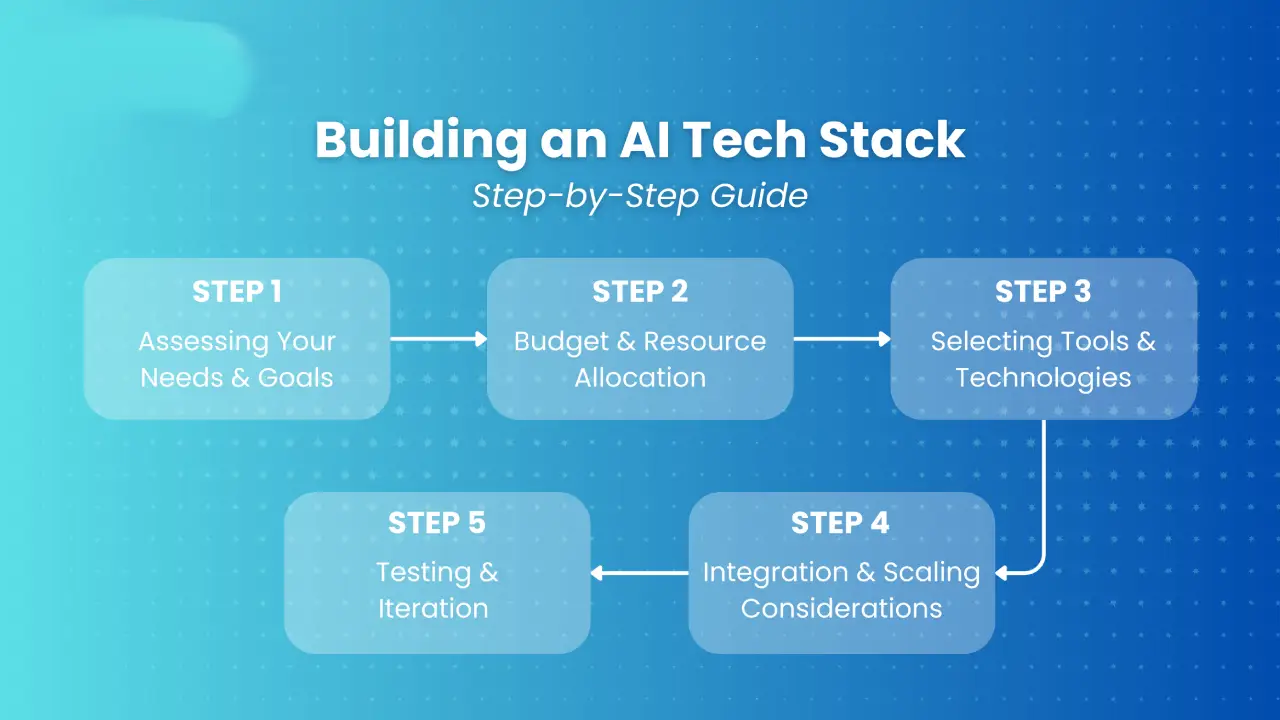
A strong scalable architecture enables systems to grow without performance degradation. Businesses often underestimate future traffic, data storage, and integration demands.
To avoid this mistake, adopt modular design principles. Microservices architecture, API-first development, and containerization allow components to scale independently.
Additionally, infrastructure automation improves flexibility. Tools like Kubernetes and serverless computing reduce manual configuration while improving reliability.
When scalability is embedded early, your Future-Proof Tech Stack adapts seamlessly to growth.
3. Leverage Cloud-Native Infrastructure
Cloud-native infrastructure plays a central role in long-term sustainability. Cloud platforms provide elasticity, redundancy, and global availability.
Instead of relying on legacy on-premise systems, migrate workloads strategically. Hybrid and multi-cloud models can reduce vendor lock-in and improve resilience.
For example, platforms like Amazon Web Services offer scalable resources that support rapid innovation.
Furthermore, cloud environments enable DevOps practices. Continuous integration and continuous deployment pipelines accelerate product releases while maintaining quality.
If your organization is planning modernization, review our internal guide on Cloud & DevOps strategy to strengthen your roadmap.
4. Prioritize Cybersecurity from the Start
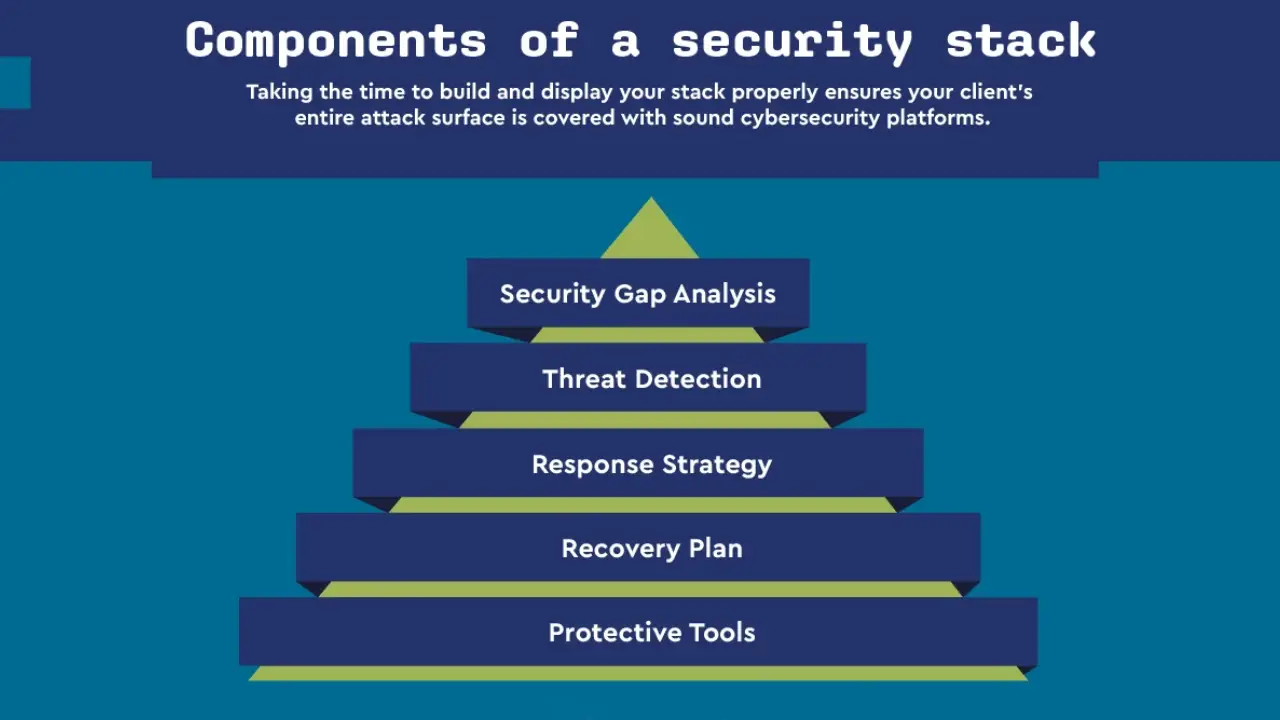
A cybersecurity strategy must be integrated into every layer of your Future-Proof Tech Stack. Security should never be treated as an afterthought.
Implement zero-trust architecture, encryption standards, and identity access management controls. Regular vulnerability assessments also reduce exposure.
In addition, compliance frameworks such as ISO 27001 or SOC 2 improve stakeholder confidence. Security investments protect both financial and reputational assets.
When security integrates with development cycles, you minimize risk without slowing innovation.
5. Enable Continuous Innovation and Digital Transformation
Technology landscapes evolve quickly. Therefore, organizations must cultivate adaptability.
Digital transformation requires continuous evaluation of emerging tools such as AI automation, advanced analytics, and edge computing. However, adoption should remain strategic rather than trend-driven.
Establish governance models that evaluate new technologies based on ROI, integration feasibility, and security impact. Regular performance audits also ensure tools remain aligned with objectives.
Training teams is equally important. Upskilling IT professionals ensures your Future-Proof Tech Stack remains optimized and innovative.
Common Mistakes to Avoid
Overcomplicating the Ecosystem
Too many overlapping tools increase maintenance costs. Choose integrated platforms whenever possible.
Ignoring Interoperability
Systems must communicate seamlessly. API compatibility and standardized data formats are critical.
Failing to Plan for Scalability
Without scalable architecture, rapid growth can cause downtime and performance issues.
Final Thoughts on Building a Future-Ready Infrastructure
A strong Future-Proof Tech Stack combines scalable architecture, cloud-native infrastructure, robust cybersecurity strategy, and continuous digital transformation. When these elements align, organizations gain flexibility and resilience.
Technology should empower growth rather than restrict it. By following these five essential steps, businesses create a foundation that evolves with market demands.
Invest wisely, plan strategically, and continuously optimize. Your long-term success depends on building systems that adapt to tomorrow’s challenges.