
Why Businesses Are Adopting Modern Edge Technology for Better Performance
Benefits of Edge Computing are becoming more important for modern companies that need faster systems, strong security, and reliable performance. Instead of sending all information to distant cloud servers, businesses now process data closer to the source using edge computing technology. This approach helps organizations improve speed, reduce delays, and support real-time data processing.
With the growth of smart devices and digital services, companies must handle large amounts of data quickly. Many experts compare cloud computing vs edge computing to understand which solution works best for modern business infrastructure.
1. Faster Data Processing for Modern Applications
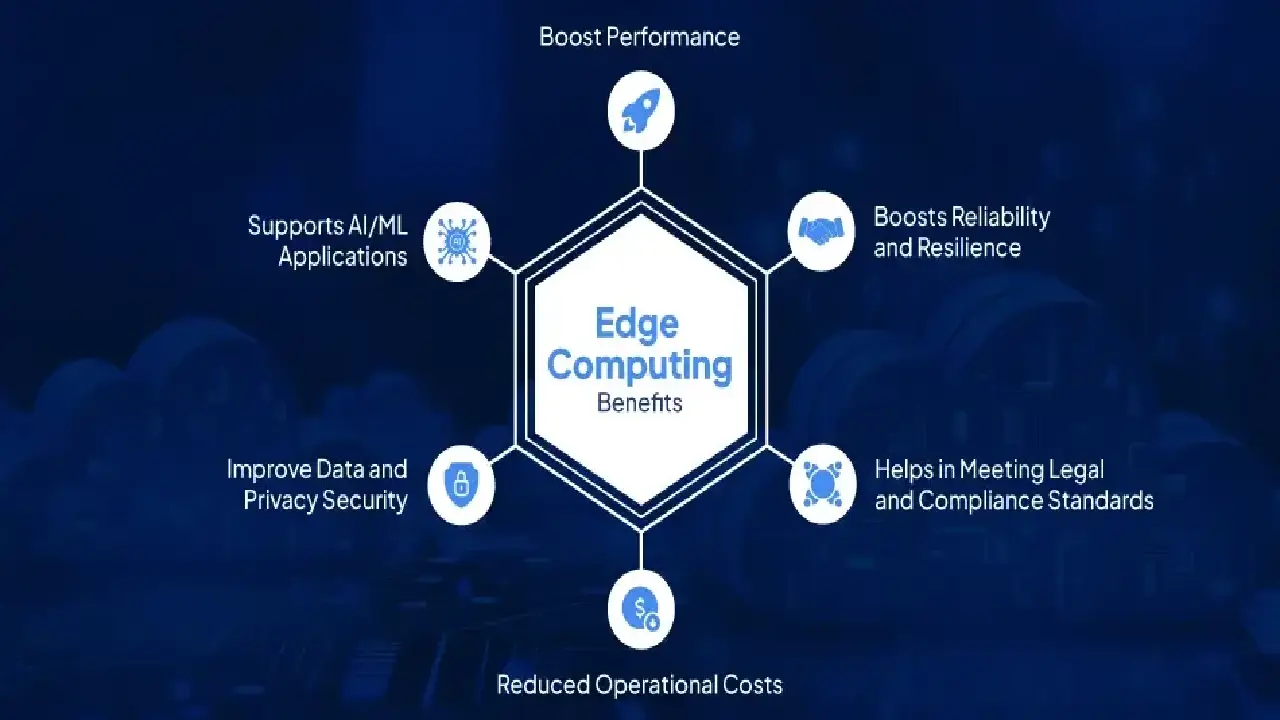
One of the main benefits of edge computing technology is faster processing. When information is handled near the device, applications respond more quickly. This is very useful for real-time data processing where even small delays can cause problems.
Industries like healthcare, banking, and manufacturing need instant results. Local processing helps companies make decisions faster and improves overall performance.
2. Improved Security and Data Privacy
Security is a major concern for every organization. Sending all data to the cloud can increase the risk of cyber attacks. With edge computing technology, sensitive information can be processed locally, which reduces exposure.
This is one of the important benefits of edge computing because companies can apply local protection rules and keep critical data safer.
3. Lower Bandwidth and Network Costs
Cloud systems require large bandwidth to transfer data continuously. By using local processing, businesses send only necessary information to the cloud.
When comparing cloud computing vs edge computing, edge solutions often reduce network traffic and lower operational costs, especially for companies using many IoT edge devices.
4. Better Performance for IoT Devices
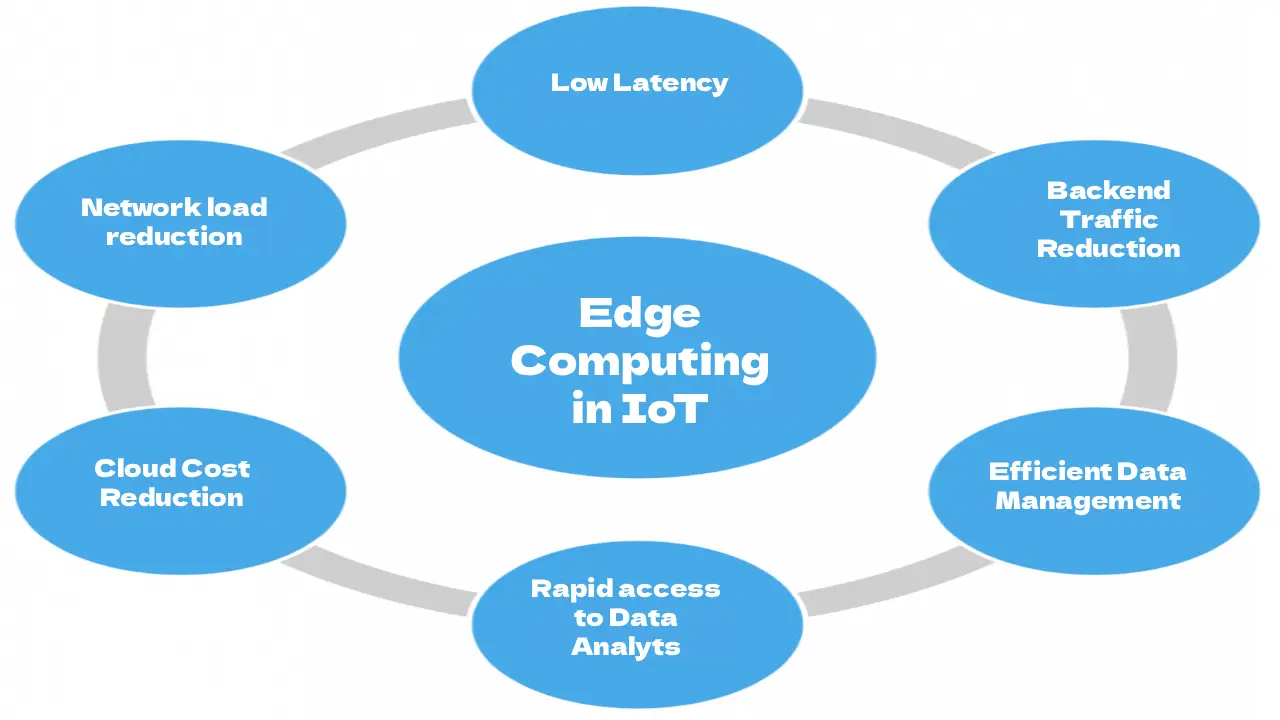
Modern systems use sensors, cameras, and smart machines that generate large amounts of data. These IoT edge devices need quick responses to work correctly.
Processing data near the device improves speed and stability. This is why many companies use edge computing technology in automation, smart cities, and industrial systems.
5. Reduced Latency for Real-Time Services
Applications such as streaming, gaming, and automation require instant response. If data travels long distances, delay increases.
One of the biggest benefits of edge computing is low latency. Because processing happens close to the source, users get faster results and better experience.
6. Reliable Systems Even Without Strong Internet
Some businesses operate in areas with slow or unstable internet. In these situations, cloud-only systems may fail.
Edge computing technology allows devices to continue working locally. This makes business operations more reliable and prevents downtime.
7. Perfect Combination with Cloud Infrastructure
Edge solutions do not replace cloud services. Instead, both work together to create a powerful system. Local devices handle fast processing, while the cloud stores and analyzes large data.
Read more about edge computing technology
Also check our related guide:
Benefits of Cloud Computing for Businesses
Conclusion
The benefits of edge computing make it one of the most valuable technologies for modern organizations. From real time data processing to better support for IoT edge devices, this approach helps companies build faster and safer systems.
Businesses that understand cloud computing vs edge computing can choose the right infrastructure and stay competitive in the digital world.