
Why Modern Businesses Need Faster and Smarter Data Processing
Edge Computing Improves Data Processing by bringing computing power closer to the location where data is created. Instead of sending every request to distant cloud servers, organizations process information locally through distributed infrastructure. This approach dramatically reduces delays and enables faster insights for modern digital systems.
As businesses adopt smart devices, connected platforms, and cloud applications, the volume of generated information continues to grow rapidly. Traditional centralized architectures often struggle with heavy workloads and network congestion. However, edge computing technology helps companies process information more efficiently while maintaining high performance.
According to research shared by technology experts at IBM, edge infrastructure allows organizations to analyze data closer to the source. This capability reduces bandwidth usage and improves system responsiveness. As a result, industries such as healthcare, manufacturing, and retail increasingly rely on edge-based solutions.
1. Edge Computing Improves Data Processing by Reducing Latency
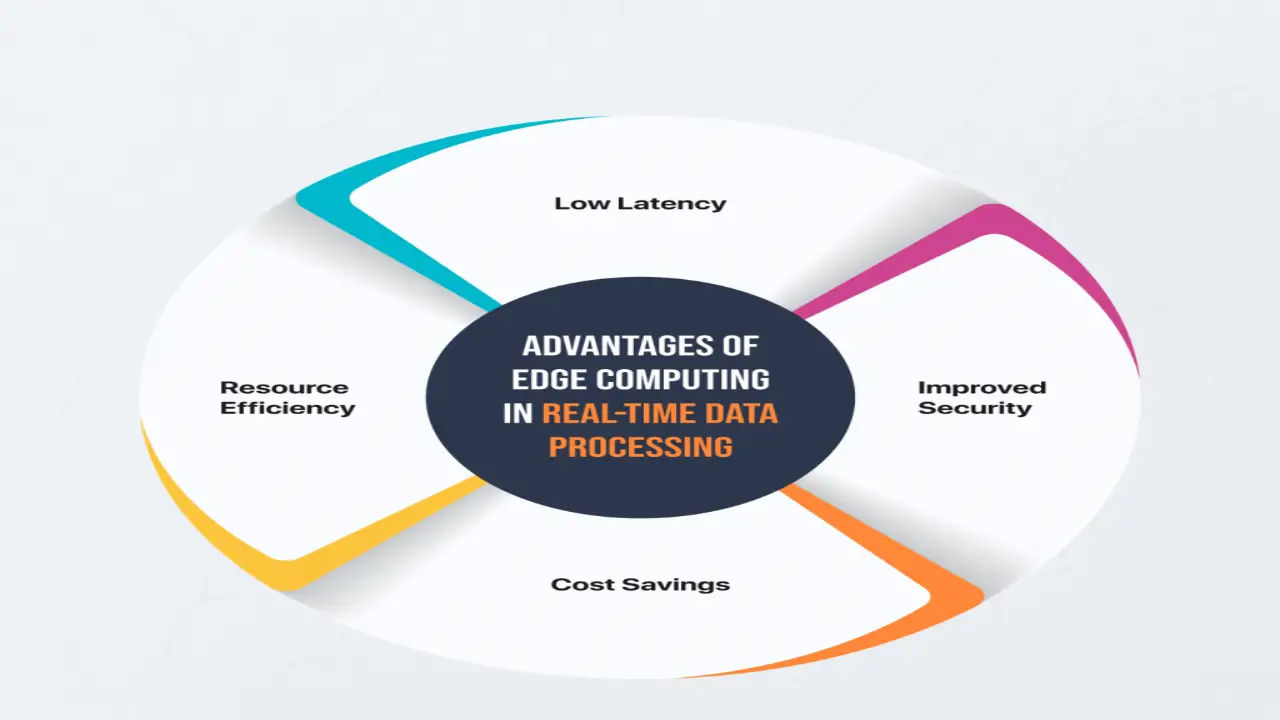
One major advantage of edge computing is reduced latency. When data must travel long distances to centralized data centers, delays can occur. These delays impact applications that require immediate responses, including smart factories, autonomous systems, and financial platforms.
By processing data closer to its source, organizations benefit from low latency computing. Faster response times allow businesses to detect problems quickly and respond to changing conditions in real time. This capability is especially valuable for systems that depend on instant decision-making.
For example, smart manufacturing facilities use sensors to monitor equipment continuously. Edge infrastructure processes sensor data locally and alerts operators if machines begin to malfunction. This immediate feedback prevents costly downtime and improves operational efficiency.
2. Edge Computing Improves Data Processing Through Real-Time Insights
Organizations today rely heavily on analytics to guide decision-making. However, many traditional systems process data in batches, which delays insights and limits responsiveness. Edge computing changes this model by enabling real-time data processing directly at the network edge.
Instead of transferring massive volumes of information to cloud servers, edge devices filter and analyze data locally. Only the most relevant information is sent to central platforms. This strategy accelerates analytics while reducing network congestion.
Real-time insights are essential for industries such as logistics, healthcare monitoring, and retail analytics. Businesses can quickly respond to customer behavior, equipment performance, or environmental conditions when data is processed instantly.
3. Edge Computing Improves Data Processing for IoT Environments
The rapid growth of the Internet of Things has dramatically increased the number of connected devices. Sensors, cameras, and smart machines constantly generate large streams of data. Sending all this information to centralized systems can overwhelm networks and slow down performance.
Edge infrastructure solves this challenge by handling information closer to IoT devices. Using edge data analytics, organizations can process sensor readings and device activity locally. Only meaningful insights or alerts are transmitted to cloud platforms.
This method improves efficiency while maintaining scalability. As more connected devices join the network, edge computing ensures systems continue operating smoothly without bottlenecks.
4. Edge Computing Improves Data Processing Security
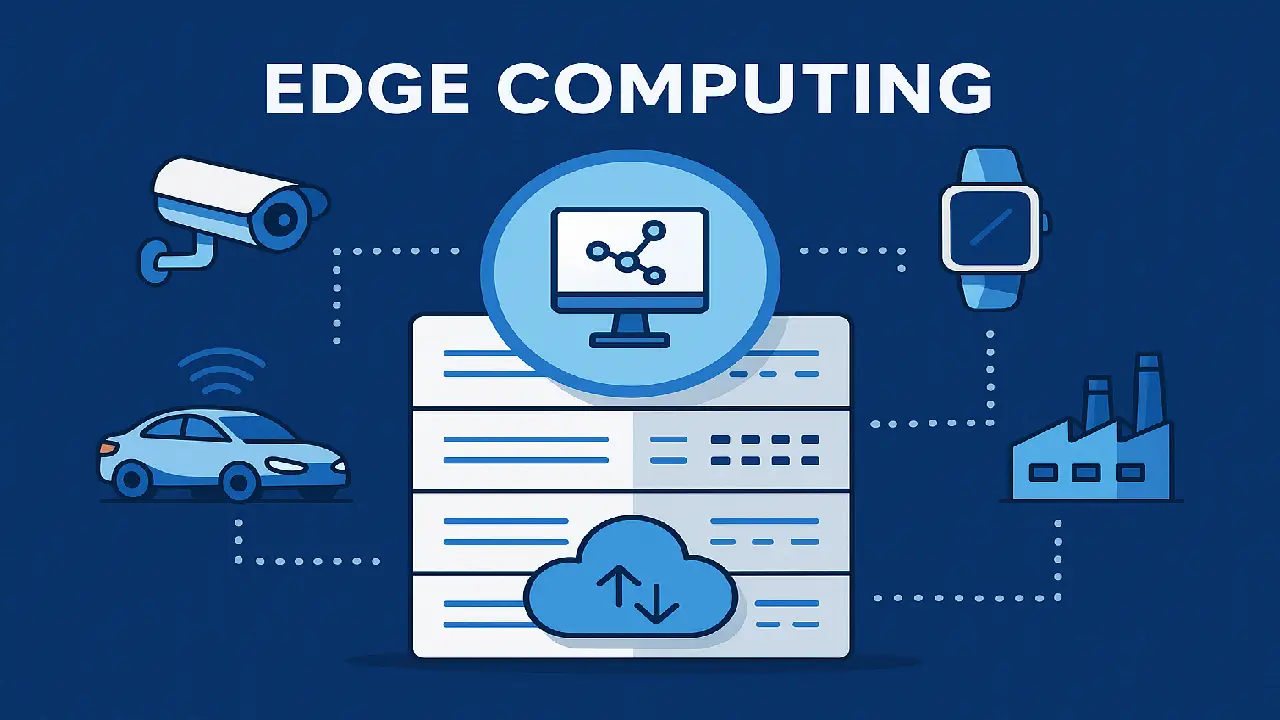
Data security is another important advantage of edge infrastructure. When sensitive information travels across multiple networks, the risk of cyber threats increases. Centralized data processing also creates single points of vulnerability.
By processing information locally, edge systems limit the amount of data transmitted across external networks. This approach reduces potential attack surfaces and enhances system resilience. Organizations handling confidential data often rely on edge architectures to improve security and maintain regulatory compliance.
Furthermore, decentralized processing ensures that critical services continue operating even if network connections experience disruptions. This reliability is essential for industries such as healthcare, transportation, and emergency services.
5. Edge Computing Improves Data Processing Scalability
Modern businesses require technology that can grow alongside their digital operations. Centralized systems may struggle to handle rapidly expanding workloads, particularly when applications demand constant processing power.
Edge computing distributes processing tasks across multiple nodes instead of relying on a single central server. Each node processes a portion of the workload, creating a highly scalable environment. This distributed approach allows businesses to expand digital services without compromising speed or reliability.
As organizations deploy more connected devices, smart applications, and automation tools, edge infrastructure ensures that systems remain responsive and efficient.
How Edge Computing Supports Future Digital Innovation
Edge technology continues to reshape the way organizations design and deploy digital systems. By combining local processing with cloud platforms, businesses create hybrid infrastructures that balance performance, scalability, and cost efficiency.
Many emerging technologies depend on edge capabilities. Smart cities, autonomous vehicles, industrial automation, and advanced healthcare monitoring all require instant data analysis. Without local processing power, these systems would struggle to deliver real-time results.
If you want to explore more technology insights and digital transformation strategies, visit the AXCEL technology blog. Learning about modern IT solutions can help organizations adopt smarter infrastructure for the future.
Conclusion
Edge Computing Improves Data Processing by enabling faster analytics, reducing latency, and supporting scalable digital infrastructure. Businesses that rely on large volumes of data benefit from improved performance and better operational insights.
Through technologies such as edge computing technology, real-time data processing, edge data analytics, and low latency computing, organizations can build systems capable of handling modern digital demands.
As industries continue embracing connected technologies and intelligent automation, edge infrastructure will play an increasingly critical role in shaping the future of digital innovation.