
Why Businesses Are Shifting to Cloud-Based Infrastructure
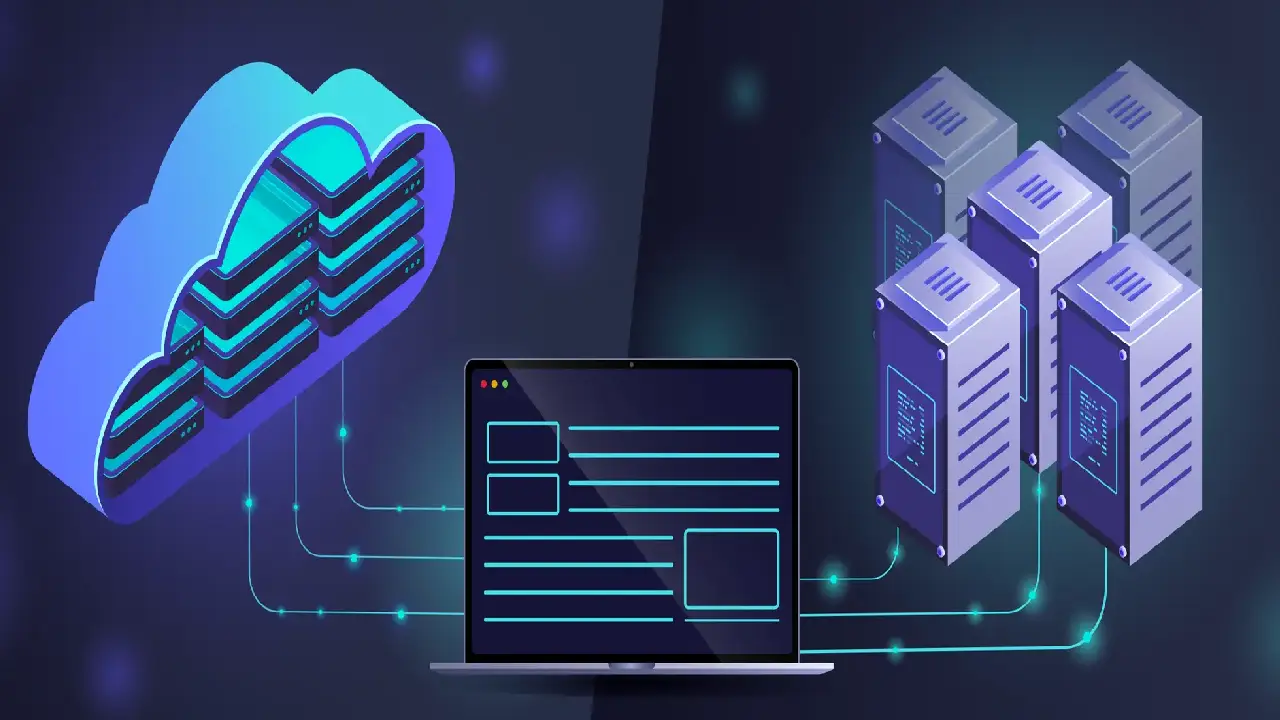
Cloud-based infrastructure is transforming how businesses operate in today’s digital era. Companies are rapidly adopting cloud solutions to improve efficiency, scalability, and overall performance. As technology evolves, organizations must adapt quickly, and cloud computing provides the flexibility needed to stay competitive.
In this article, we explore the most impactful advantages of adopting cloud systems and how they help businesses grow sustainably.
1. Improved Scalability and Flexibility
One of the biggest advantages of cloud systems is scalability. Businesses can increase or decrease resources based on demand without heavy investment.
This makes scalable cloud solutions ideal for startups and growing companies that need flexibility.
2. Cost Efficiency and Savings
Cloud systems eliminate the need for expensive hardware and maintenance. Organizations only pay for what they use, making cloud cost optimization a major benefit.
This approach reduces upfront costs and helps businesses allocate resources more effectively.
3. Enhanced Data Security
Security is a top concern for businesses. Modern cloud providers offer advanced protection features, ensuring cloud security benefits such as encryption, firewalls, and monitoring.
These measures protect sensitive data and reduce risks of cyber threats.
4. Better Collaboration and Accessibility
Cloud platforms allow teams to work from anywhere. Employees can access data and applications in real-time, improving productivity and teamwork.
This supports remote infrastructure management, making operations smoother and more efficient.
5. High Performance and Reliability
Cloud providers ensure high uptime and fast performance. Businesses benefit from reliable infrastructure that minimizes downtime.
This consistency improves customer experience and builds trust.
6. Faster Deployment and Innovation
Cloud environments allow rapid deployment of applications and services. Developers can test and launch projects quickly.
This speeds up innovation and helps companies stay ahead of competitors.
7. Disaster Recovery and Backup
Cloud platforms provide automated backup and recovery solutions. Businesses can restore data quickly in case of failure.
This ensures business continuity and reduces downtime risks.
How Cloud-Based Infrastructure Supports Business Growth
Adopting cloud systems allows organizations to scale faster, reduce operational costs, and improve efficiency. It also enables better decision-making through data insights.
To explore more technology solutions, visit our blog for expert insights.
External Resource for Cloud Solutions
For professional cloud services, check DTMetrix to enhance your business infrastructure.
Conclusion
Cloud computing is no longer optional; it is essential for modern businesses. From cost savings to improved performance, the benefits are undeniable.
By adopting cloud-based infrastructure, companies can future-proof their operations and achieve long-term success.