Why Modern Teams Rely on the Right DevOps Stack
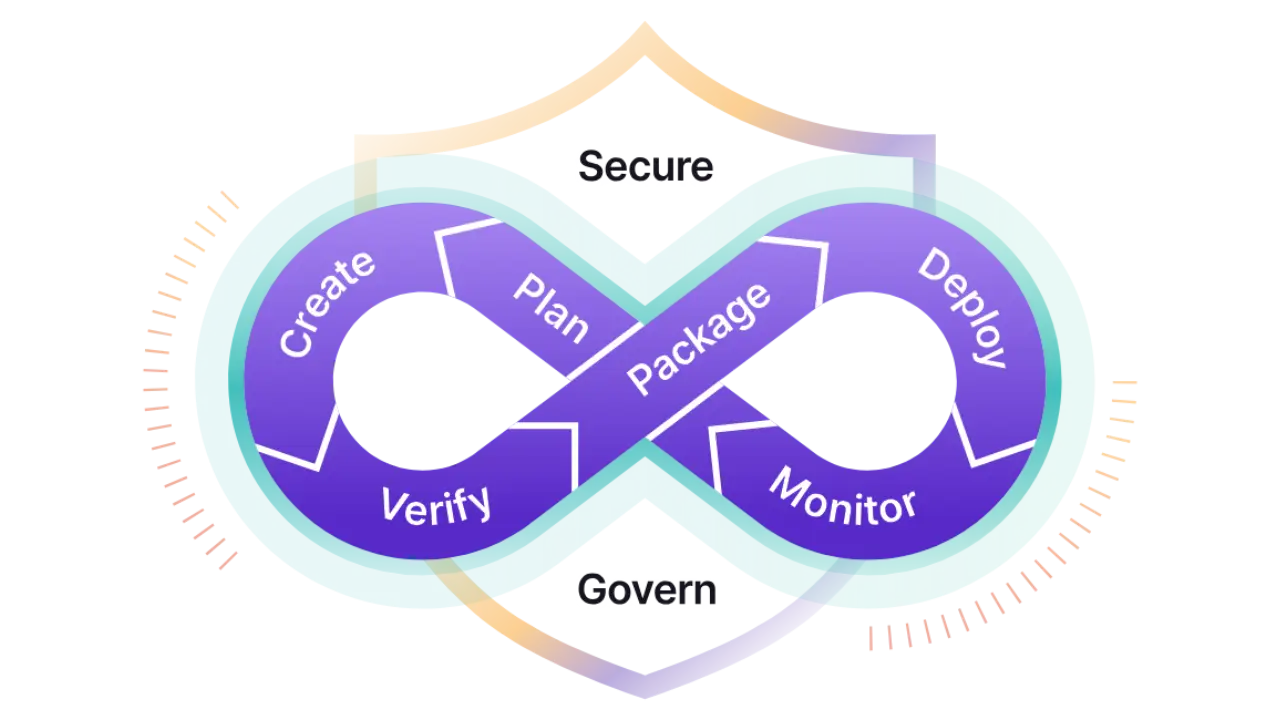
Essential DevOps tools help teams simplify collaboration, reduce deployment errors, and improve the speed of software delivery. In today’s fast-moving digital environment, development and operations teams need practical systems that support automation, testing, monitoring, and infrastructure management. Instead of relying on manual workflows, smart teams use proven platforms that create consistency and reduce risk across the software lifecycle.
When businesses choose the right DevOps stack, they can ship updates faster and maintain better system stability. These tools also improve visibility, which means developers, testers, and operations staff stay aligned from planning to release. As a result, teams work with greater confidence and fewer bottlenecks.
What Makes DevOps Tools So Valuable
DevOps is not only about speed. It is also about quality, repeatability, and teamwork. The right platforms allow teams to automate code integration, track changes, manage containers, and monitor live environments. This approach supports both startups and enterprise teams that want reliable software delivery.
Many companies now invest in DevOps automation tools because automation reduces repetitive tasks and frees teams to focus on innovation. At the same time, strong collaboration tools make handoffs smoother between departments.
1. Git – The Foundation of Code Collaboration
Git is one of the most widely used version control systems in the world. It allows developers to manage code changes, create branches, review updates, and merge work efficiently. Every DevOps team needs a dependable way to track code history, and Git provides exactly that.
Git also supports team collaboration by making it easier to work on features without disrupting the main codebase. Whether a team is small or large, this tool creates a structured workflow for software development.

2. Jenkins – A Popular Choice for CI/CD
Jenkins is a trusted automation server that helps teams build, test, and deploy software more efficiently. It is often included in discussions about continuous integration tools because it supports automatic builds whenever code changes are pushed.
By using Jenkins, teams can catch issues early and reduce the chance of bugs reaching production. Its large plugin ecosystem also makes it flexible for many types of workflows. This matters for organizations that want scalable automation without rebuilding their process from scratch.
3. Docker – Consistency Across Environments
Docker makes it easier to package applications and their dependencies into containers. These containers run the same way in development, testing, and production environments. That consistency reduces the classic problem of software behaving differently on each machine.
For DevOps teams, Docker improves portability and supports faster deployment cycles. It also works well with cloud-native systems, making it a practical choice for companies that need efficient release processes.
4. Kubernetes – Container Orchestration at Scale
While Docker handles containers, Kubernetes helps manage them at scale. It automates deployment, scaling, and container operations across clusters. As applications grow, teams need orchestration tools that can handle complexity without increasing manual effort.
Kubernetes supports resilience and high availability. It is especially useful for organizations that manage microservices or large cloud-based applications. Combined with Docker, it becomes one of the most effective ways to modernize software delivery pipelines.
5. Terraform – Smarter Infrastructure Management
Terraform is one of the leading infrastructure as code tools used by DevOps teams today. It allows teams to define infrastructure in code, which makes cloud resources easier to manage, repeat, and scale.
Instead of configuring servers and services manually, teams can use Terraform scripts to provision infrastructure consistently. This saves time, improves accuracy, and makes system changes easier to audit. For growing businesses, this kind of control is extremely valuable.
6. Prometheus – Better Visibility Into Performance
Prometheus is a powerful monitoring system that helps teams collect metrics and observe application behavior in real time. It is often grouped with leading DevOps monitoring tools because it gives teams the data they need to detect problems before users are affected.
Monitoring is essential in DevOps because reliable software depends on visibility. Prometheus helps teams understand trends, system health, and resource usage. With strong alerting and reporting, it becomes easier to respond quickly and maintain service quality.

How to Choose the Best Tool Combination
No single platform solves every DevOps challenge. The best results come from combining tools that match your team size, technical goals, and deployment model. A startup may begin with Git, Jenkins, and Docker, while an enterprise may also require Kubernetes, Terraform, and advanced monitoring.
It also helps to review trusted industry resources while planning your stack. For example, the AWS guide to DevOps explains how automation and collaboration improve delivery outcomes. Teams can also explore more digital strategy insights on Axcelworld Blog.
Final Thoughts on Building a Strong DevOps Workflow
The best DevOps environments are built on practical tools that support speed, stability, and teamwork. Git improves code collaboration. Jenkins strengthens automation. Docker and Kubernetes modernize deployment. Terraform simplifies infrastructure. Prometheus improves monitoring and visibility.
When used together, these essential platforms help teams release better software with fewer delays. That is why understanding these essential DevOps tools is so important for modern businesses. A smart toolset creates stronger workflows, better communication, and more reliable digital products.