
Why Businesses Must Invest in IT Monitoring Today
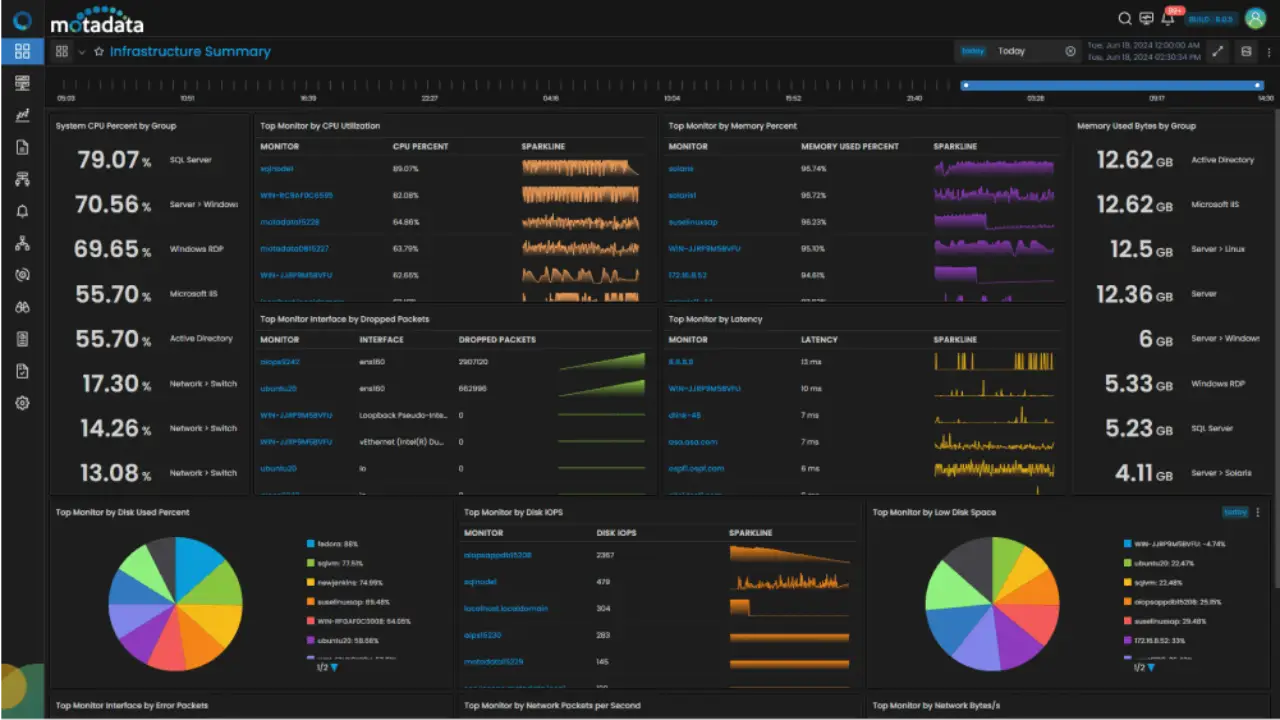
IT Infrastructure Monitoring plays a critical role in ensuring modern businesses operate smoothly without interruptions. As organizations increasingly depend on digital systems, monitoring infrastructure becomes essential for maintaining uptime, optimizing performance, and preventing costly failures. Without proper monitoring tools, businesses risk downtime, data loss, and poor user experiences.
1. Improved System Uptime and Reliability
One of the biggest advantages of IT Infrastructure Monitoring is enhanced system uptime. Monitoring tools continuously track servers, networks, and applications to detect issues early. As a result, businesses can fix problems before they cause downtime.
Using advanced server monitoring tools, IT teams receive real-time alerts. This proactive approach minimizes disruptions and ensures systems remain available for users at all times.
2. Enhanced Security and Threat Detection
Security is a top priority for every organization. IT Infrastructure Monitoring helps detect unusual activities, unauthorized access, and potential threats. With proper IT system monitoring solutions, businesses can identify vulnerabilities before attackers exploit them.
Moreover, monitoring systems generate logs and insights that help teams respond quickly. This improves overall cybersecurity posture and protects sensitive data.
3. Better Performance Optimization
Performance issues can affect productivity and customer satisfaction. Through network performance monitoring, organizations can analyze traffic patterns and system loads.
This allows IT teams to optimize resources efficiently. Whether it’s bandwidth allocation or server capacity, monitoring ensures systems run at peak performance levels.
4. Cost Efficiency and Resource Management
Investing in infrastructure monitoring software reduces long-term costs. Instead of reacting to failures, businesses can prevent them. This reduces downtime-related losses and maintenance expenses.
Additionally, monitoring tools help identify underutilized resources. Companies can allocate budgets more effectively and avoid unnecessary hardware investments.
5. Real-Time Insights and Data-Driven Decisions
Modern businesses rely on data to make informed decisions. IT Infrastructure Monitoring provides real-time analytics and performance reports.
These insights help organizations identify trends, forecast issues, and improve operational efficiency. As a result, decision-making becomes faster and more accurate.
Final Thoughts
In today’s digital landscape, IT Infrastructure Monitoring is no longer optional. It ensures system reliability, strengthens security, and enhances performance. Businesses that adopt monitoring solutions gain a competitive advantage by reducing risks and improving efficiency.
To explore more insights on technology trends, visit our blog or learn more about monitoring tools from IBM.
Learn More: 7 Powerful Benefits Of IT Infrastructure Automation
Learn More: 7 Powerful Benefits Of Cloud-Based Infrastructure
Learn More: 6 Smart Strategies For IT Infrastructure Scaling
Learn More: 5 Smart Ways AI Improves Marketing Performance
Learn More: 5 Powerful Benefits Of Remote IT Infrastructure